
A sofa can collect far more than the occasional coffee spill. In a Toronto home, upholstered furniture is exposed to body oils, food particles, pet dander, household dust, outdoor pollutants, and seasonal debris every day. Because much of this buildup settles below the visible surface, routine vacuuming can only address part of the problem.
That is where professional upholstery cleaning Toronto becomes important. Instead of simply wiping the surface, professional cleaning is designed to identify the fabric, loosen embedded soil, treat problem areas, and extract contaminants without unnecessarily saturating the furniture.
For homeowners, the goal is not simply to make a sofa look cleaner. Proper upholstery maintenance can help preserve the appearance and usability of furniture while addressing the buildup that accumulates through everyday Toronto living.
Why Toronto Furniture Needs More Than Routine Vacuuming
Toronto homes experience four distinct seasons, and each one can introduce different contaminants into indoor spaces.
During spring, pollen and outdoor particulate matter can enter through open windows, doors, clothing, and footwear. These particles can settle into curtains, cushions, sofas, and upholstered chairs.
Summer brings increased humidity and heavier use of indoor and outdoor living spaces. Families may spend more time entertaining, while pets and children can contribute additional dirt and oils to furniture.
Fall introduces another period of increased outdoor debris. Leaves, soil, and fine particles can be tracked indoors and eventually become embedded in textile surfaces.
Winter creates a different challenge. Snow, moisture, road salt, and winter grime can be carried inside on clothing and footwear. Meanwhile, homes remain closed for longer periods, increasing reliance on indoor heating and reducing natural ventilation.
The result is gradual accumulation inside furniture fibers—even when the upholstery still appears reasonably clean.
The Soil You Cannot See on a Sofa
Visible stains are only one part of upholstery contamination.
Furniture can gradually accumulate:
- Dust and fine particulate matter
- Pet dander
- Food crumbs and organic debris
- Body oils and perspiration
- Beverage residue
- Cosmetic products
- Pet-related odors
- Outdoor soil
- Allergens associated with household dust
- Residue from previous spot-cleaning attempts
Some of these contaminants become trapped deep within the weave of the fabric. Aggressive scrubbing may spread a stain or damage delicate fibers, while excessive moisture can create its own problems.
Professional upholstery cleaning therefore starts with understanding the material rather than treating every sofa the same way.
What Happens During Professional Upholstery Cleaning?
A professional cleaning service should follow a controlled process rather than immediately applying water or cleaning solution.
1. Fabric Inspection
The first step is identifying the upholstery material and evaluating its condition.
Technicians look for characteristics such as fabric type, color stability, existing wear, previous cleaning attempts, staining, and areas that require special attention.
This assessment helps determine which cleaning approach is appropriate for the furniture.
2. Dry Soil Removal
Loose dirt and debris are removed before the deeper cleaning stage.
This is particularly important for furniture that has not been professionally cleaned for an extended period. Removing dry particulate matter first helps prevent unnecessary agitation and allows subsequent cleaning steps to focus on soil that is more firmly attached to the fibers.
3. Targeted Spot Treatment
Stains require more than simply applying additional cleaning solution.
Coffee, food, grease, pet accidents, ink, and other substances can interact differently with upholstery fibers. A technician can identify problem areas and select an appropriate treatment instead of using the same chemical on every stain.
4. Low-Moisture Cleaning
One of the advantages of carbonation-based cleaning is that it uses significantly less water than traditional water-heavy extraction methods.
All Star Chem-Dry’s process uses carbonated cleaning technology designed to loosen soil from the fibers so it can be extracted from the upholstery.
Using less moisture can also help reduce drying time compared with methods that heavily saturate furniture.
5. Soil Extraction
Once the soil has been loosened, specialized extraction equipment removes the suspended dirt and cleaning solution.
This is an important distinction between professional upholstery cleaning and simply wiping furniture with a household cleaner. The objective is to remove contaminants from the material rather than redistribute them across the surface.
6. Final Inspection and Grooming
After cleaning, the upholstery is checked for remaining spots and overall appearance.
Where appropriate, the fabric is groomed so that the fibers have a consistent appearance while the furniture begins the drying process.
Why Carbonation Is Different From Traditional Steam Cleaning
Many homeowners use the terms “steam cleaning” and “upholstery cleaning” interchangeably, but the processes can be quite different.
Traditional steam or hot-water extraction methods can involve substantial quantities of water. While these systems can be effective when properly applied, excessive moisture is not ideal for every type of upholstered furniture.
Chem-Dry’s Hot Carbonating Extraction process uses carbonated bubbles to help lift soil from upholstery while minimizing water usage.
The basic concept is straightforward: microscopic bubbles help loosen particles attached to the fibers, bringing the soil toward the surface where it can be extracted.
This low-moisture approach is particularly useful for furniture owners who want professional cleaning without unnecessarily saturating their sofa or chairs.
How Upholstery Cleaning Helps Toronto Homes
Professional furniture cleaning can provide several practical benefits beyond appearance.
It Refreshes Frequently Used Furniture
Sofas and armchairs are often among the most heavily used pieces of furniture in a home. Daily sitting, lounging, eating, and entertaining gradually affect the fabric.
A professional cleaning can remove accumulated soil and help restore a fresher appearance.
It Addresses Embedded Soil
Vacuuming is valuable for routine maintenance, but it cannot remove everything embedded within upholstery.
Professional extraction reaches deeper into the material to remove soil that ordinary household cleaning may leave behind.
It Helps Manage Pet-Related Odors
Pet odors can become particularly noticeable when urine, dander, or other organic material reaches deeper into furniture.
Specialized treatments such as P.U.R.T.® may be used when appropriate to address pet urine contamination and associated odors.
It Helps Protect Furniture Investment
Quality furniture can represent a significant household investment. Allowing soil and oils to remain in the fabric for years can contribute to a worn or neglected appearance.
Routine professional cleaning can be part of a broader furniture-care strategy designed to keep upholstery looking presentable for longer.
Upholstery Cleaning for Toronto Condos and Apartments
Furniture cleaning is not limited to detached homes.
Toronto’s condo and apartment residents can also benefit from professional upholstery maintenance. In smaller living spaces, sofas and upholstered chairs often serve multiple purposes—lounging, working, entertaining, and dining.
Because furniture is used heavily and there may be limited space for replacement pieces, keeping existing upholstery in good condition can be especially practical.
Professional low-moisture cleaning can also be advantageous where homeowners want to minimize the amount of moisture introduced into a compact indoor environment.
Upholstery Cleaning for Offices and Commercial Spaces
Upholstery maintenance is equally important outside the home.
Toronto offices, reception areas, waiting rooms, restaurants, and other commercial environments can experience continuous furniture traffic. Chairs and sofas may be used by dozens of people throughout the week, creating a steady accumulation of dust, oils, and surface soil.
Professional upholstery cleaning can help businesses maintain a cleaner presentation without immediately replacing furniture.
For commercial properties, cleaning schedules can be based on traffic levels rather than relying solely on a fixed annual appointment.
How Often Should Upholstered Furniture Be Professionally Cleaned?
There is no single schedule that works for every household.
Furniture in a low-traffic room may require less frequent professional cleaning than a sofa used every day by a family with children or pets.
A practical starting point for many households is professional upholstery cleaning every 6 to 12 months, with more frequent cleaning when furniture experiences heavy traffic, pets, children, frequent entertaining, or visible staining.
Between professional appointments, homeowners can help maintain their furniture by:
- Vacuuming upholstery regularly with an appropriate attachment
- Addressing spills promptly
- Avoiding excessive water when treating stains at home
- Following the manufacturer’s care instructions
- Rotating or rearranging removable cushions when appropriate
- Keeping pets from repeatedly soiling the same furniture areas
The key is consistency. Waiting until upholstery looks heavily soiled usually means the fabric has already accumulated significant hidden debris.
When DIY Upholstery Cleaning May Not Be Enough
A household upholstery cleaner can be useful for minor maintenance, but some situations are better handled professionally.
Consider professional cleaning when:
- A sofa has widespread staining
- Pet urine has penetrated the upholstery
- Odors continue after surface cleaning
- Furniture has not been cleaned for several years
- The fabric is delicate or difficult to identify
- Previous spot treatments have created visible rings or discoloration
- Heavy household use has caused significant soil buildup
- You are preparing furniture for sale or a move
The biggest advantage of professional service is not simply stronger equipment. It is the combination of fabric assessment, appropriate cleaning solutions, controlled moisture, stain treatment, and extraction.
Common Questions About Upholstery Cleaning Toronto
How long does professionally cleaned upholstery take to dry?
Drying time varies according to fabric, room conditions, airflow, and the amount of moisture used during cleaning. Low-moisture cleaning methods can significantly reduce drying time compared with heavily saturated cleaning processes.
Can professional cleaning remove pet odors?
Professional treatment can address many pet-related odors, particularly when the source of the odor can be identified and treated. Severe contamination may require specialized treatment beyond routine upholstery cleaning.
Does upholstery cleaning remove allergens?
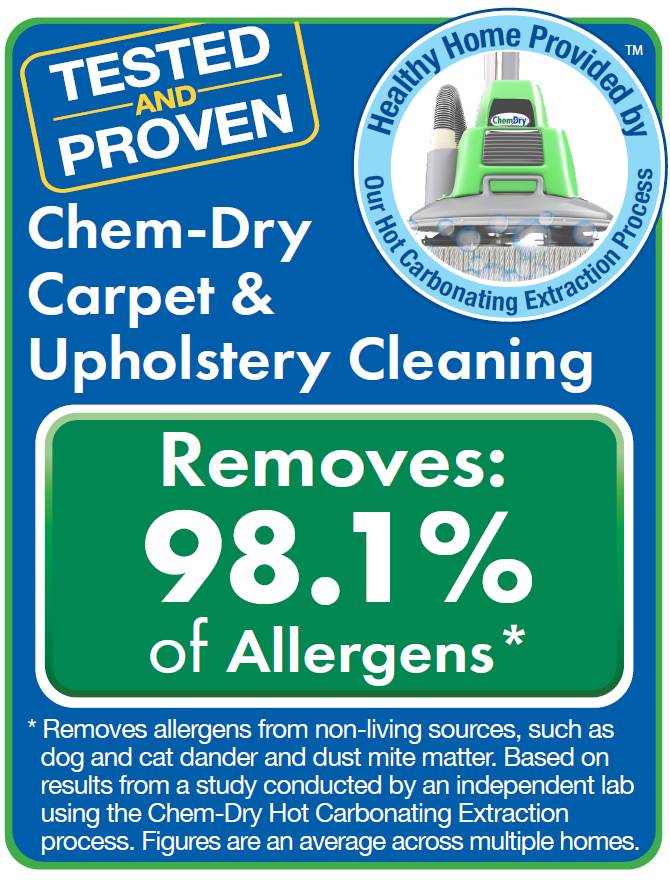
Professional cleaning can remove a substantial amount of dust and other particulate material trapped within upholstery. Chem-Dry’s cleaning process has also been evaluated in studies involving common household allergens.
Can all furniture be cleaned the same way?
No. Upholstery materials differ considerably. Fabric type, construction, dyes, age, previous treatments, and condition can all affect the appropriate cleaning method.
Is Hot Carbonating Extraction the same as steam cleaning?
No. Hot Carbonating Extraction uses carbonated cleaning technology and significantly less water than conventional steam-cleaning approaches. The process is designed to loosen and extract soil while minimizing moisture.
Can professional cleaning remove every stain?
No cleaning process can guarantee removal of every stain. The outcome depends on the substance, how long it has been present, the fabric, previous treatments, and whether the material has been permanently altered.
A Smarter Approach to Furniture Maintenance in Toronto
Toronto furniture deals with more than visible spills. Seasonal outdoor debris, household dust, body oils, pet activity, and everyday use can gradually work contaminants deep into upholstery.
That makes professional cleaning less about making a sofa temporarily look better and more about maintaining the furniture as part of the home’s overall cleaning routine.
For homeowners in Toronto, Etobicoke, North York, and surrounding communities, All Star Chem-Dry provides professional upholstery cleaning using a low-moisture, carbonation-based approach. From everyday sofas and armchairs to commercial seating, the right cleaning process can help remove embedded soil while respecting the characteristics of the upholstery.
If your furniture has started to look dull, retain odors, or simply has not received professional care in years, an upholstery assessment can determine whether deeper cleaning is appropriate.