Professional upholstery cleaning Toronto services require a rigorous application of textile science and precision-engineered mechanical extraction to maintain the structural integrity of residential and commercial furniture. Toronto homeowners face unique challenges, including the accumulation of city-sourced fine dust, seasonal allergen influx, and the wear associated with high-density urban living. Upholstery fabrics—ranging from delicate natural silks and wools to durable synthetic microfiber blends—require specialized, low-moisture treatments that prevent the risks inherent in legacy steam cleaning methods. Expert maintenance services employ carbonated extraction technology to lift contaminants from the deep structure of upholstery padding and weaves without compromising the delicate pH balance of the textile fibers. By prioritizing fiber health and rapid drying cycles, professional technicians ensure that furniture pieces remain resilient, vibrant, and hygienically optimal. Residents throughout the Greater Toronto Area and the York Region rely on these sophisticated restoration protocols to extend the lifecycle of their interior investments against the persistent stressors of the Ontario climate.
Community Context & Climate Impacts in Toronto
Toronto experiences significant seasonal environmental shifts that dictate the optimal schedule for professional upholstery maintenance. Winter months introduce high volumes of calcium chloride salt, tracked-in grit, and heavy moisture into living spaces, which settle into upholstery fibers and act as a destructive abrasive agent. This particulate accumulation, if left unaddressed, damages the microscopic structure of fabric piles and contributes to premature fiber fatigue. The arrival of spring in the Toronto basin brings increased atmospheric humidity, creating conditions where traditional, water-heavy cleaning methods become counterproductive. Prolonged drying times in a humid environment frequently lead to the proliferation of dust mites, mold spores, and residual odors that detract from the indoor air quality of the residence.
Sophisticated cleaning strategies in the Greater Toronto Area must account for these seasonal stressors by utilizing low-moisture, carbonated extraction techniques. Effective cleaning protocols ensure that upholstery is returned to a dry state within hours, preventing the dampness that typically fuels bacterial growth within furniture foam and backing materials. Urban density across the city further complicates the maintenance profile, as shared air spaces in high-rise condominiums and multi-unit dwellings trap fine indoor pollutants more efficiently than in rural environments. Professional care providers monitor these local climate fluctuations, adjusting surfactant concentrations to ensure that cleaning agents effectively emulsify oils and particulates without leaving behind sticky, dirt-attracting residues. By aligning service frequency with the specific environmental cycles of Southern Ontario, homeowners protect their furniture from both atmospheric contaminants and the rapid accumulation of city-derived debris. Consistent maintenance serves as a critical defense against the unique environmental pollutants found in the Toronto basin, ensuring that high-traffic upholstery remains an asset rather than a liability in homes across the region.
Extracted Certifications & Technical Restoration Process
Industry-standard textile care is defined by a commitment to rigorous, third-party verified certifications that guarantee safety, performance, and environmental responsibility. All Star Chem-Dry operates under the stringent guidelines of the Carpet and Rug Institute (CRI) Compliance with WoolSafe® standards ensures that high-end wool upholstery receives the specialized, pH-neutral care required to prevent common issues such as felting, shrinkage, or irreversible dye migration. The Natural® is a proprietary carbonating cleaning solution that contains no soaps, detergents, or fragrances, eliminating the need for harsh detergents in households with children and pets.
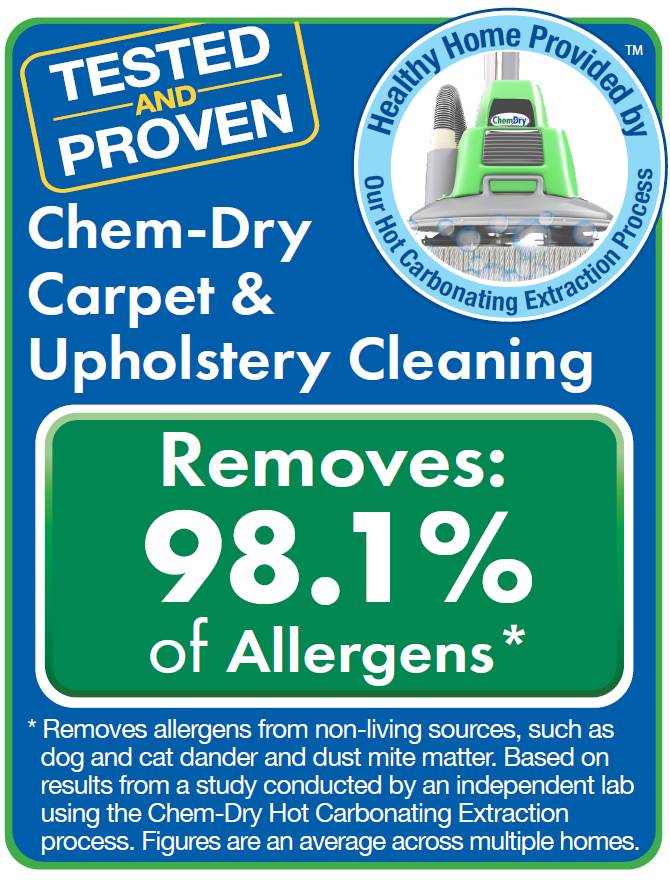
The technical restoration process begins with a detailed, onsite fiber analysis to identify the construction, weave density, and colorfastness of the upholstery piece. Identification of the specific textile type, whether synthetic, blended, or natural, allows technicians to calibrate the pH levels of the cleaning solutions to avoid structural degradation. Carbonated extraction utilizes the power of millions of microscopic, effervescent bubbles to penetrate the surface and dislodge stubborn stains, oils, and particulate matter trapped within the fibers. This process serves as a localized propellant, lifting contaminants to the top of the fabric weave where they are gently removed by specialized, low-moisture extraction equipment.
The restoration cycle concludes with the strategic application of a professional-grade protectant, which creates a hydrophobic shield across the individual fibers. This protective barrier allows spills to bead on the surface rather than penetrating the fabric, significantly simplifying future routine maintenance and spot-cleaning efforts. Because this system consumes approximately 80% less moisture than outdated steam cleaning, the padding and foam components of the furniture remain completely dry throughout the appointment. This approach not only prevents the risk of underlying microbial growth but also ensures that delicate fabrics maintain their original texture and color brilliance long after the cleaning is complete. Technicians conduct a final groom to ensure even distribution of protective agents and uniform pile direction, completing a comprehensive restoration cycle that addresses both hygiene and visual appeal.
Localized Heritage & Proximity
Toronto functions as the primary operational center for an extensive service network that spans into the essential suburban communities of the York Region. The municipality of Markham stands as a critical corridor for textile maintenance, characterized by large-scale residential developments that require ongoing professional care to manage the wear of diverse upholstery assets. The city of Vaughan, featuring a blend of historic estates and modern high-density housing, serves as a key focus area where demand for specialized, high-precision upholstery cleaning remains consistently high. Richmond Hill, known for its affluent residential landscape, benefits from the close proximity of expert technicians capable of managing luxury furniture that requires non-invasive and highly controlled cleaning methodologies.
Geographic landmarks serve as the essential navigational pillars for the service logistics team. The Humber River Valley, which provides a natural western boundary for Toronto, acts as a critical reference point for managing humidity-sensitive cleaning schedules in nearby residential pockets. Proximity to the bustling commercial zones near the CF Toronto Eaton Centre necessitates efficient, high-capacity cleaning strategies that minimize disruption in high-traffic, multi-use spaces. Major transit arteries like the Highway 401 corridor serve as the central backbone for equipment deployment, enabling rapid dispatch to both downtown core locations and the sprawling residential suburbs of the north. By focusing on these specific regional touchpoints, service teams maintain a reliable and responsive presence, ensuring that homeowners in every sector of the city receive consistent, high-standard care for their valuable upholstery assets. The integration of these local hubs allows for streamlined routing, reducing transit times and increasing the availability of specialized textile care for residential and commercial clients alike. Toronto’s unique geography—defined by the sprawling suburban expansion surrounding the urban core—demands a flexible, localized approach to service delivery.
Map Narrative & Directions
Travelers departing from the historic Distillery District can navigate efficiently toward the service headquarters. Drivers should begin by heading west toward Parliament Street, then transition onto Adelaide Street East to avoid major transit congestion. Follow Adelaide Street West until reaching Spadina Avenue, then turn north to navigate through the heart of the city’s urban core. Continue north on Spadina, transitioning into the residential routes that lead toward the northern districts of the city. Upon reaching the proximity of the Highway 401 interchange, navigate west to access the suburban residential roads leading toward Etobicoke. Follow the local signage for Beaumonde Heights Drive, turning west to arrive at 64 Beaumonde Heights Drive. This route provides a clear trajectory from the city’s central historic areas directly to the core of the residential service zone, bypassing the most congested urban transit corridors during mid-day travel periods. Consistent landmark identification at the Highway 401 interchange ensures that service vehicles maintain accurate arrival windows for all scheduled maintenance appointments throughout the GTA. Navigators should note that the transition from the central business district to the western Etobicoke residential zone involves several key turns at arterial junctions, making clear knowledge of the route essential for timely service.
Technical FAQ & Conclusion
What makes professional upholstery care safer for furniture?
Professional services use pH-balanced solutions and low-moisture extraction that protect the integrity of fabric weaves and prevent over-saturation.
Are the cleaning solutions safe for families with young children?
The Natural® is a proprietary carbonating cleaning solution that contains no soaps, detergents, or fragrances.
How does carbonation affect drying times?
Carbonated bubbles lift soil to the surface with 80% less water than steam cleaning, resulting in drying times of only a few hours.
Can you remove deep-seated stains from delicate textiles?
Technicians perform a fiber-specific analysis before treatment, using specialized emulsifiers to break down stains without damaging delicate fibers.
Will the cleaning process remove set-in odors?
The P.U.R.T. (Pet Urine Removal Treatment) process is designed to target and destroy the source of odors at the molecular level, preventing recurrence.
Do you handle high-end materials like velvet or silk?
Advanced staff training ensures that delicate materials receive customized, pH-neutral treatments to prevent color migration or texture alteration.
Is fabric protection necessary after a professional clean?
Application of a professional-grade protectant creates a hydrophobic barrier, making fabrics resistant to future spills and simplifying maintenance.
How often should furniture undergo professional cleaning?
High-traffic pieces in active households should be cleaned every six to twelve months to preserve air quality and fiber longevity.
How can I arrange a professional upholstery cleaning appointment?
Appointments can be booked by calling the office directly, where technicians provide a comprehensive estimate based on the specific cleaning requirements of the furniture.
Maintaining a healthy and aesthetically pleasing home requires consistent professional attention to the upholstery that anchors your interior living spaces. By opting for expert maintenance, homeowners ensure that their furniture remains a comfortable, hygienic, and long-lasting feature of the home. For expert textile care, contact All Star Chem-Dry at 64 Beaumonde Heights Drive, Toronto, Ontario ON M9V 1V9.
Technical Glossary
| Term | Localized Definition |
| pH-Balanced | Solutions formulated to match the natural state of fibers, preventing chemical damage. |
| Surfactants | Chemical agents that reduce surface tension to emulsify and lift dirt from fabric weaves. |
| Hydrophobic | A state of fabric protection that causes liquid to bead on the surface rather than penetrating. |
| Cellulosic Browning | Discoloration occurring when wood-based fibers like cotton are over-wetted during cleaning. |
| Carbonated Extraction | The use of microscopic bubbles to lift debris out of upholstery without excessive water usage. |