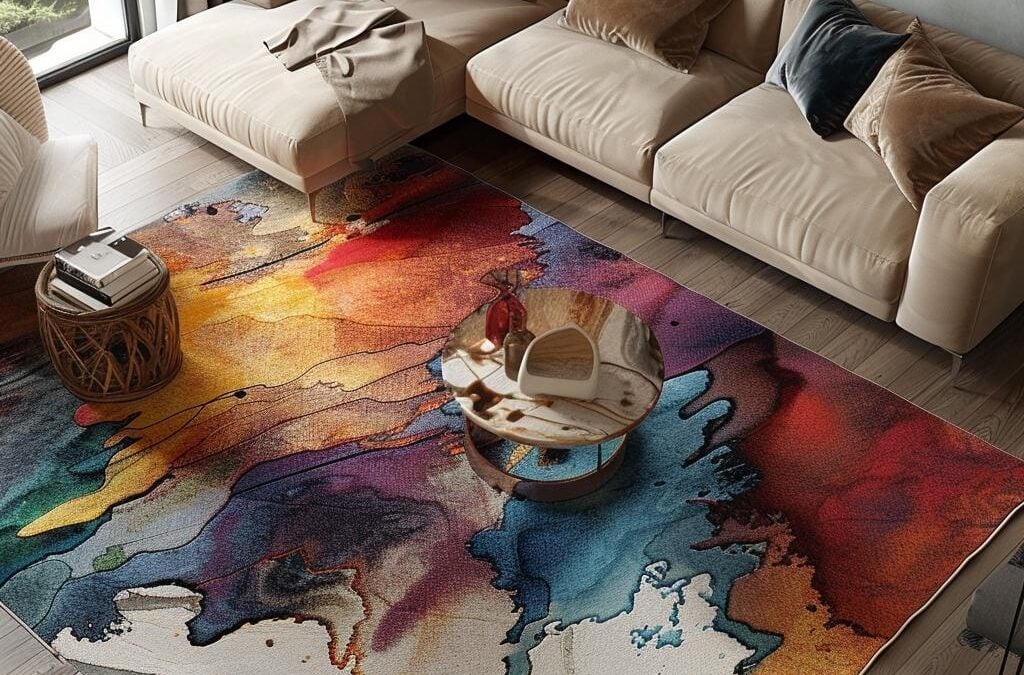
Area rugs can change the look and feel of a room, but they also collect everything that gets tracked into the home. Dust, food particles, pet hair, soil, and moisture can become trapped between the fibers, especially in busy areas such as living rooms, hallways, dining rooms, and entryways.
For homeowners, regular vacuuming is an important first step, but it may not be enough to remove soil that has become embedded deeper in the rug. This is where residential area rug cleaning can help.
Professional cleaning can address accumulated soil, spots, and odors while taking the rug’s material and construction into consideration. The right approach is especially important because area rugs are made from many different fibers, and a cleaning method that is suitable for one rug may not be appropriate for another.
For homeowners in Toronto, Markham, Vaughan, and Richmond Hill, understanding how to care for an area rug can help protect the investment and keep the home looking and feeling cleaner.
Why Do Residential Area Rugs Get So Dirty?
An area rug acts like a filter for the room around it.
Everyday activities can introduce small amounts of soil into the rug. Shoes can bring in outdoor debris, while pets and children can contribute hair, dander, food particles, and other contaminants. Even when a rug looks clean, fine particles may already be working their way below the surface.
The amount of soil a rug collects depends on several factors:
- How much foot traffic the room receives
- Whether people wear shoes indoors
- Whether pets use the area
- How frequently the rug is vacuumed
- Whether the rug is near an exterior entrance
- The rug’s fiber and construction
- How long it has been since its last professional cleaning
High-traffic residential rugs generally require more maintenance than decorative rugs in rooms that are rarely used.
Toronto’s Changing Seasons Can Affect Area Rugs
Toronto homeowners deal with different types of tracked-in debris throughout the year.
Spring can bring rain, mud, and wet soil into the home. During summer, humidity and increased outdoor activity can contribute to moisture and soil being brought indoors.
In fall, leaves and organic debris can make their way inside. Winter presents another challenge because snow, slush, and road or sidewalk salt can be tracked onto rugs.
An entrance rug may experience much more contamination during winter than during other parts of the year.
A few simple habits can help:
- Use mats at exterior entrances.
- Remove outdoor footwear before walking across area rugs.
- Vacuum high-traffic areas regularly.
- Deal with spills as soon as possible.
- Rotate rugs when practical to distribute wear.
- Follow the manufacturer’s care instructions.
- Schedule professional cleaning when regular maintenance is no longer sufficient.
These habits are useful for homes throughout Toronto as well as nearby communities such as Markham, Vaughan, and Richmond Hill.
Is Vacuuming Enough to Keep an Area Rug Clean?
Vacuuming is one of the most effective things homeowners can do between professional cleanings.
It removes loose soil before it has a chance to become deeply embedded in the fibers. Regular vacuuming is particularly important in areas where people walk frequently.
However, vacuuming has limitations.
It may not remove all of the material that has become attached to or lodged between rug fibers. It also does not address every type of stain or odor.
How often you should vacuum depends on the household. A rug in a low-traffic guest room may require less frequent vacuuming than a rug in a family room where children and pets spend most of the day.
Use the appropriate vacuum setting for the rug. Some delicate rugs can be affected by aggressive brush action, so check the manufacturer’s recommendations before cleaning.
What Should You Do When Something Spills on a Rug?
Quick action can make a spill easier to deal with.
First, remove any solid material carefully using a spoon or another blunt edge. Then blot the affected area with a clean, absorbent cloth.
Avoid rubbing the spill aggressively. Scrubbing can spread the substance and may push it farther into the fibers.
Work from the outside of the affected area toward the center when blotting. Continue using clean sections of the cloth rather than repeatedly rubbing the same area.
Be careful about applying household cleaning products. A product that is safe for one type of rug may damage another.
Before using a cleaning solution, check the manufacturer’s instructions. If you are unsure about the rug’s material or the appropriate cleaning product, professional advice is a better option than experimenting.
Common Spill-Cleaning Mistakes
Homeowners often make the problem worse by trying to remove a stain too aggressively.
Avoid:
- Scrubbing hard
- Using excessive water
- Mixing cleaning chemicals
- Using bleach without specific manufacturer instructions
- Applying heat without knowing whether it is appropriate
- Using an unfamiliar product without checking the rug’s care instructions
If a spill is large, has been left untreated, or involves a difficult substance, professional cleaning may be appropriate.
Why Does Rug Fiber Matter?
One of the most important considerations in residential area rug cleaning is the material being cleaned.
Area rugs can be made from natural fibers, synthetic fibers, blends, or specialty materials. Their construction, dyes, backing, age, and condition can also affect how they should be cleaned.
Wool Rugs
Wool is a common natural fiber used in area rugs. Although it is durable, it still needs an appropriate cleaning approach.
Excessive moisture, aggressive agitation, or unsuitable cleaning products can cause problems depending on the rug’s construction and condition.
Synthetic Rugs
Synthetic materials such as nylon and polyester are widely used in residential rugs.
However, “synthetic” does not automatically mean that every cleaning method is suitable. The specific material, dye, backing, and construction should still be considered.
Delicate and Specialty Rugs
Silk, viscose, antique, handmade, and other specialty rugs may require additional care.
If you have an expensive, antique, or delicate rug, avoid experimenting with household cleaning products. Professional assessment can help determine how the rug should be handled.
What Happens During Professional Residential Area Rug Cleaning?
Professional area rug cleaning should begin with an assessment rather than immediately applying water or cleaning chemicals.
A technician should consider the rug’s material, construction, condition, staining, and other relevant factors before determining the appropriate cleaning process.
Depending on the rug, a professional cleaning process may involve several steps.
1. Inspection
The rug is examined to identify its fiber type, construction, visible stains, wear, and other conditions that may affect cleaning.
2. Soil Removal
Loose dirt and debris are removed before deeper cleaning.
This step is important because removing dry soil first can reduce the amount of material that needs to be addressed during the cleaning stage.
3. Spot Treatment
Specific spots may receive targeted treatment based on what caused them and how the rug is expected to respond.
A coffee stain, grease mark, and pet accident may require different approaches.
4. Cleaning
The cleaning method is selected according to the rug.
Depending on the material and condition, a professional may use a specialized cleaning or extraction process.
5. Soil and Moisture Removal
When a wet-cleaning method is appropriate, extraction equipment can help remove suspended soil and moisture from the rug.
6. Drying
Proper drying is an important part of residential area rug cleaning.
Drying time varies depending on the rug, cleaning method, moisture level, humidity, temperature, and airflow.
7. Final Inspection
After cleaning, the rug should be checked for remaining spots, overall appearance, and any areas that may require additional attention.
This step-by-step approach is preferable to treating every residential rug exactly the same way.
What Is Hot Carbonating Extraction?
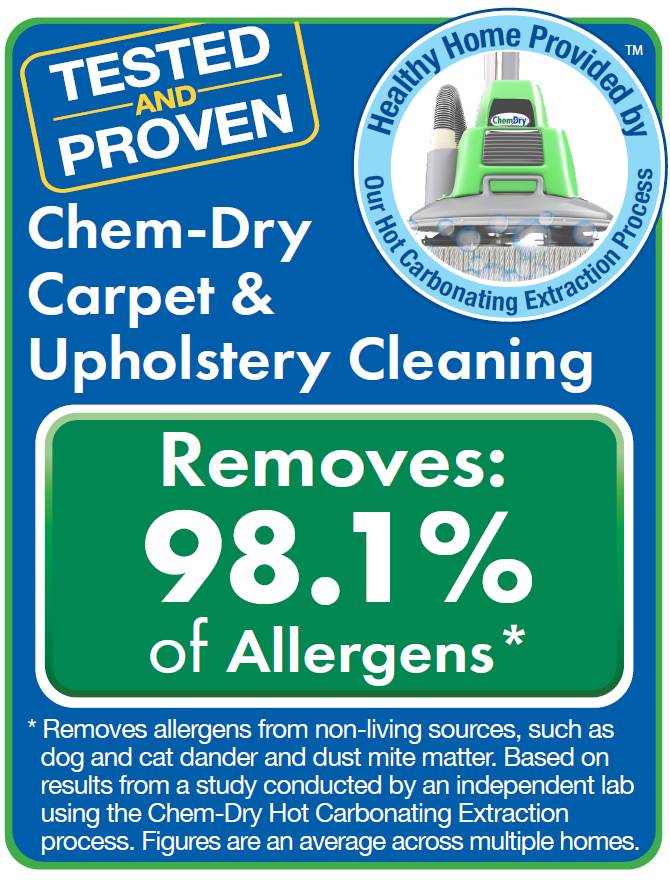
Chem-Dry uses a cleaning process called Hot Carbonating Extraction, or HCE.
The process uses a carbonated cleaning solution and extraction to help loosen and remove soil from fibers. It is designed as a lower-moisture approach compared with methods that heavily saturate a textile.
However, the cleaning method should still be selected according to the rug.
Not every area rug has the same fiber, construction, backing, or condition. A professional should determine whether a particular cleaning process is appropriate before proceeding.
This is also why homeowners should be cautious about broad claims that one cleaning method is automatically best for every rug.
How Long Does an Area Rug Take to Dry?
There is no single drying time that applies to every rug.
Drying can depend on:
- Fiber type
- Rug construction
- Cleaning method
- Amount of moisture used
- Indoor temperature
- Humidity
- Air movement
- Rug condition
A rug that feels dry on the surface may still contain moisture deeper within the construction.
After cleaning, maintaining good airflow can help support the drying process. Avoid putting heavy furniture back onto the rug until it has dried sufficiently.
If you are concerned that a rug is staying damp longer than expected, contact the cleaning professional who performed the service.
Can Residential Area Rug Cleaning Remove Pet Odors?
Pet accidents can be particularly difficult because liquid may travel below the visible surface.
If urine reaches the backing or underlying materials, cleaning only the top of the rug may not fully address the source of the odor.
Professional cleaning begins with determining the extent of the affected area.
It is also important to distinguish between masking an odor and treating its source. A fragrance may temporarily cover an unpleasant smell without addressing the material responsible for it.
Results also vary depending on how long the contamination has been present, how deeply it has penetrated, and whether previous cleaning products have been used.
For recurring pet accidents, identifying why the area is repeatedly being soiled is just as important as cleaning the rug.
How Often Should You Schedule Residential Area Rug Cleaning?
There is no universal cleaning schedule for every household.
A rug’s cleaning requirements depend on traffic, pets, children, location, outdoor soil, fiber type, and regular maintenance.
For example, a rug in a busy entrance may need professional cleaning sooner than one used only occasionally in a guest room.
Instead of relying only on a fixed schedule, look for signs that routine maintenance is no longer enough.
These may include:
- Visible soil that vacuuming does not remove
- Persistent stains
- Lingering odors
- Heavy traffic patterns
- Pet-related contamination
- A dull or dirty appearance
- Soil buildup around frequently used areas
A professional can inspect the rug and provide maintenance recommendations based on its condition.
How to Protect Your Area Rug Between Professional Cleanings
Professional cleaning is only one part of good rug care.
Daily and weekly maintenance can help slow down soil accumulation and reduce the amount of cleaning required.
Vacuum Regularly
Consistent vacuuming removes loose dirt before it becomes embedded.
Use Entrance Mats
Place mats near exterior doors to help reduce the amount of outdoor soil and moisture brought inside.
Remove Shoes
A no-shoes policy can reduce the amount of outdoor debris transferred onto residential rugs.
Clean Spills Quickly
Blot spills promptly rather than allowing them to dry into the fibers.
Rotate the Rug
When practical, rotating an area rug can help distribute traffic and wear more evenly.
Move Furniture Carefully
Dragging heavy furniture across a rug can place unnecessary stress on the fibers and backing.
Follow Care Instructions
The manufacturer’s care label should be your first reference when determining how the rug should be maintained.
When Should You Hire a Professional Rug Cleaner?
Professional residential area rug cleaning can be worthwhile when regular vacuuming and spot treatment are no longer enough.
Consider professional cleaning when you notice:
- Deep or widespread soil
- Persistent staining
- Lingering odors
- Heavy traffic wear
- Pet accidents
- Dirt that remains after vacuuming
- A rug that has not been professionally cleaned for an extended period
Professional assessment is particularly useful for expensive, antique, handmade, or delicate rugs.
If you are unsure what your rug is made from, it is better to identify the material before attempting an intensive cleaning process.
Choosing a Residential Area Rug Cleaning Service in Toronto
When choosing a professional cleaner, price should not be the only consideration.
Ask how the company determines which cleaning method is appropriate for different rug materials. You can also ask whether technicians inspect the rug before cleaning and how they approach difficult stains, pet contamination, delicate fibers, and drying.
A good cleaning service should explain what it can reasonably accomplish instead of guaranteeing that every stain or odor will disappear.
It is also useful to confirm what is included in the service and whether the company works with the type of rug you need cleaned.
For homeowners in Toronto, Markham, Vaughan, Richmond Hill, and surrounding areas, choosing a local provider can make scheduling and ongoing maintenance more convenient.
Frequently Asked Questions About Residential Area Rug Cleaning
Can I clean my area rug myself?
Regular vacuuming and careful spot cleaning are appropriate for many rugs. However, intensive cleaning can be more complicated. If you are unsure about the fiber, dye, backing, or construction, professional assessment is recommended.
Is steam cleaning safe for every area rug?
No. The appropriate cleaning method depends on the rug’s material, construction, condition, and manufacturer’s instructions. A method suitable for one rug may not be appropriate for another.
How can I protect my rug from winter salt?
Use entrance mats, remove outdoor footwear, and address salt and moisture promptly. Regular vacuuming can also help remove dry particles before they become embedded.
Can professional cleaning remove old stains?
Professional cleaning can improve many stains, but results vary. The outcome depends on the substance, age of the stain, fiber type, previous cleaning attempts, and whether the dye or fiber has already been permanently affected.
How do I know whether my rug needs special care?
Check the manufacturer’s label and identify the fiber if possible. Antique, handmade, silk, viscose, and other specialty rugs may require additional care. When in doubt, have the rug assessed before using cleaning chemicals.
Should I vacuum before professional cleaning?
Yes. Regular vacuuming is an important part of ongoing maintenance. A professional cleaner may also perform additional soil-removal steps as part of the cleaning process.
How long does professional rug cleaning take?
The time required depends on the rug’s size, material, condition, cleaning method, and whether additional stain treatment is necessary. Drying time also varies based on environmental conditions.
Does professional cleaning prevent future stains?
Cleaning removes existing soil and staining where possible, but it does not prevent future spills. Regular maintenance, entrance mats, quick spill response, and careful household habits are still important.
Residential Area Rug Cleaning in Toronto: The Bottom Line
Area rugs are exposed to everyday soil, spills, pet activity, and foot traffic. In Toronto, seasonal conditions can add another layer of dirt and moisture, particularly around exterior entrances.
Regular vacuuming, entrance mats, prompt spill treatment, and sensible maintenance can help keep rugs in better condition between professional cleanings.
When deeper cleaning is needed, the most important consideration is choosing a method that is appropriate for the rug. Fiber type, construction, backing, age, dyes, and overall condition should all be considered before cleaning begins.
All Star Chem-Dry provides carpet and upholstery cleaning services for homeowners in Toronto, Markham, Vaughan, Richmond Hill, and surrounding communities. With proper assessment and an appropriate cleaning approach, residential area rug cleaning can be an important part of maintaining a cleaner and more comfortable home.
Technical Glossary
| Industry Term | Simple Definition |
|---|---|
| Extraction | A cleaning process that uses equipment to remove loosened soil and moisture from a textile. |
| Fiber | The material used to make the rug, such as wool, nylon, polyester, or another textile. |
| Backing | The material attached to the underside of a rug that supports its construction. |
| pH | A measure used to describe how acidic or alkaline a cleaning solution is. |
| Surfactant | An ingredient that helps a cleaning solution loosen and suspend certain types of soil. |
| Hot Carbonating Extraction | A Chem-Dry cleaning process that uses carbonated solution and extraction to help remove soil. |
| Low-moisture cleaning | A cleaning approach that uses less moisture than methods involving heavy saturation. |