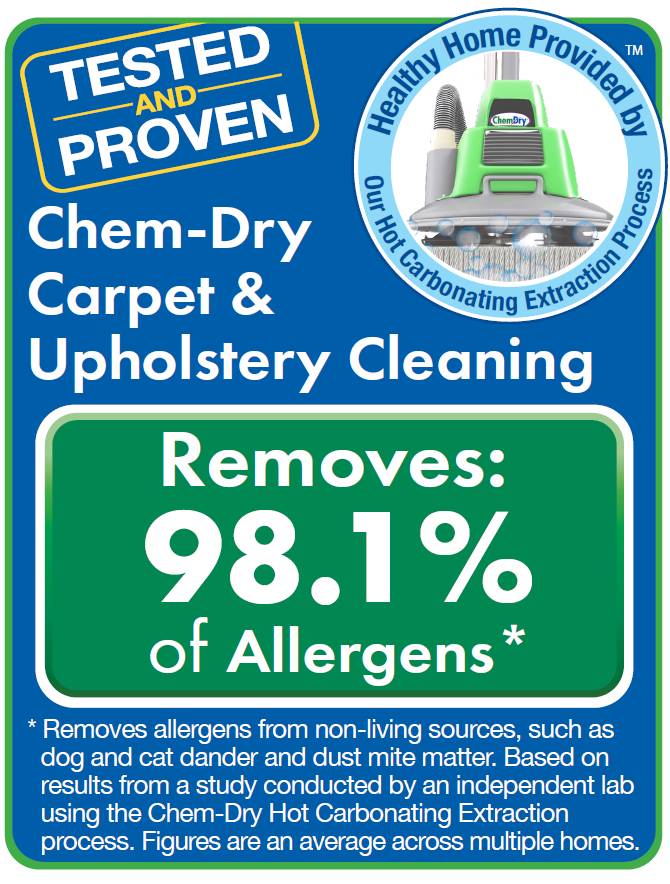
The 2025-2026 winter season in Toronto, ON, is defined by “Fierce Frost” patterns, resulting in a 2-5x increase in indoor pollutant concentrations compared to outdoor air. Professional upholstery maintenance is critical to neutralize the tracking of corrosive road salts (NaCl and CaCl2) and the accumulation of biological contaminants like dust mites and pet dander in sealed indoor environments. This technical guide contrasts traditional high-moisture steam cleaning, which risks mold growth within 24-48 hours, with All Star Chem-Dry’s Hot Carbonating Extraction (HCE). Utilizing the proprietary, green-certified solution The Natural, HCE removes an average of 98% of allergens and 89% of airborne bacteria. Recommended by the Quebec Asthmatic Association, this low-moisture system achieves 1-2 hour dry times, making it the industry benchmark for health-centric textile care in the Greater Toronto Area.
The 2026 Toronto Winter Microclimate and Structural Textile Degradation
The meteorological landscape for the 2025-2026 winter in the Greater Toronto Area (GTA) presents a distinct “Fewer Flakes, Fiercer Frost” forecast. While total snow accumulation may be lower than historic averages, Toronto is experiencing extended periods of extreme cold, particularly in late December and mid-January, which forces residents to keep windows and doors tightly sealed to maintain thermal efficiency. This reduction in natural ventilation has a secondary effect: indoor allergens and toxic compounds, such as radon gas and Volatile Organic Compounds (VOCs), increase because they are not being regularly flushed out by fresh air.
The stagnation of air in Toronto condos—from the high-density units in CityPlace to the family homes of North York—creates a specialized environment where soft furnishings act as primary reservoirs for airborne pollutants. Simply sitting on a sofa or lying on a mattress can launch thousands of microscopic particles back into the breathing zone, a process that significantly degrades the healthfulness of the indoor environment. Scientific observations indicate that indoor air quality (IAQ) in the GTA can be two to five times more polluted than the air outside, especially during peak heating months when the circulation of dust from furnace vents is at its highest.
Road salt contamination is an unavoidable environmental stressor in Toronto during this season. As the city applies thousands of tonnes of salt to sidewalks and driveways to enhance public safety, these chemicals are inevitably tracked into living spaces. These salts, often sodium chloride (NaCl) or calcium chloride (CaCl2), act as desiccants that chemically attract moisture into fabric fibers, potentially leading to permanent “browning” or structural weakening of the textile.
Chemical Dynamics of Winter De-Icing Agents and Fabric Interaction
The chemical interaction between road salt and upholstery fibers is a primary cause of premature furniture wear in Toronto. When salt-laden slush evaporates on a fabric surface, it leaves behind crystalline structures that are sharp and jagged at a microscopic level. Mechanical friction occurs every time a resident sits on a salt-contaminated cushion, as the weight of the individual grinds these crystals against the delicate weaves of silk, cotton, or synthetic blends.
This grinding effect acts like high-grit sandpaper, shredding the internal structure of the fibers and leading to a “thinned” appearance in high-traffic areas. Furthermore, the hygroscopic nature of calcium chloride means that it continues to pull water vapor from the indoor air even after the visible liquid has dried. This creates a localized, high-moisture micro-environment within the upholstery foam and fabric that can harbor bacterial colonies or fungal spores even if the rest of the room feels dry.
To effectively mitigate this damage, Toronto professionals recommend salt-neutralizing cleaners that balance the pH of the fabric surface. Many consumer-grade “all-purpose” cleaners used by homeowners are highly alkaline, which can react with the minerals in road salt to create permanent discolouration or dissolve the protective coatings applied by fabric manufacturers. This chemical mismanagement highlights the necessity of professional-grade extraction that removes the salt crystals entirely rather than just surface-level scrubbing.
Soft Furnishings as Indoor Air Filters
Soft furnishings in Toronto residences—including sofas, armchairs, area rugs, and mattresses—function as unsung heroes by acting as massive air filters. These textiles trap allergens, dust, and dander that would otherwise circulate freely throughout the home, potentially reaching the lungs of children, seniors, or immunocompromised individuals. However, these “filters” have a finite capacity and eventually become saturated, at which point they begin to release pollutants back into the air.
Biological Contaminants in the GTA
In the tight confines of modern Toronto development, where space is often limited and air circulation is mechanical, the accumulation of biological contaminants is rapid. Dust mites thrive in the warmth of heated furniture, feeding on the skin cells that humans shed at a higher rate during the dry winter months. For allergy sufferers, the debris and waste products from these mites are a major trigger for asthma, hay fever, and chronic headaches.
The VOC Paradigm
Volatile Organic Compounds (VOCs) are another critical concern for Toronto residents during the winter. These chemicals evaporate into the air from paints, chemical cleaners, and even new furniture. In a sealed winter environment, these compounds build up to dangerous levels, causing eye, nose, and throat irritation. When soft surfaces adsorb these gases, they can “off-gas” them over months or even years, necessitating deep-cleaning protocols that reach the core of the furniture rather than just the surface fabric.
| Contaminant | Source in Toronto Homes | Health/Fabric Impact |
| Sodium Chloride | Sidewalk and road de-icing tracking | Fiber abrasion and permanent yellowing. |
| Dust Mites | Human skin cells and upholstery heat | Respiratory triggers and asthma flare-ups. |
| Pet Dander | Cats/dogs staying indoors longer | Persistent odors and sticky microscopic allergens. |
| VOCs | Harsh cleaning products and off-gassing | Headaches and potential long-term toxicity. |
| Mould Spores | Condensation on cold exterior walls | Musty smells and chronic respiratory issues. |
Steam Cleaning vs. Microbial Proliferation
Traditional steam cleaning, technically known as hot water extraction, has been the industry standard for decades, but it presents significant technical challenges in the context of a Toronto winter. This method injects large volumes of water mixed with detergents into the furniture under high pressure. In the current seasonal climate, where windows cannot be opened to aid evaporation, this moisture often remains trapped in the dense padding and sub-layers of a sofa.
The 24-48 Hour Mold Threshold
Fungal growth is a primary risk factor for Toronto homeowners using high-moisture cleaning methods. Mold and mildew can begin to colonize wood, drywall, and furniture if they remain wet for more than 24 hours. Because steam cleaning can leave upholstery damp for up to two days, it inadvertently creates a breeding ground for the very pathogens it is intended to remove.
Soapy Residue and Rapid Re-soiling
Furthermore, the detergents used in traditional steam cleaning are difficult to rinse completely from upholstery fibers. These soaps leave behind a sticky residue that acts as a magnet for dirt, dust, and grime. For a Toronto family with pets or children, this means that furniture cleaned with traditional steam may look dirtier just a few weeks after service than it did before the cleaning occurred.
The Molecular Approach to Fabric Care
The innovation of Hot Carbonating Extraction (HCE) represents a fundamental shift in the physics of textile cleaning. Rather than relying on the brute force of water volume and high pressure, HCE utilizes the natural properties of carbonation. This process is inspired by the well-known household remedy of using club soda to lift stains from a garment, but it is engineered for the complex needs of modern upholstery.
Mechanism of Action
When the carbonated solution is applied, it releases millions of microscopic, effervescent bubbles that penetrate deep into the fibers of the furniture. These bubbles literally “explode” the dirt and grime off the fabric surface and lift them to the top of the textile where they are whisked away by high-powered extraction equipment. This approach allows for a deeper level of cleaning while using approximately 80% less water than conventional steam methods.
Drying Times and Pathogen Inhibition
Because HCE uses a fraction of the moisture, upholstery cleaned with this method typically dries in just 1 to 2 hours, rather than the 24 to 48 hours required by steam. This rapid drying time effectively closes the window for mold and mildew growth, ensuring a healthier indoor environment for Toronto residents. The absence of sticky soaps also ensures that the “wicking” of deep-seated stains back to the surface is minimized, providing a longer-lasting clean.
| Technical Metric | Traditional Steam Cleaning | Hot Carbonating Extraction (HCE) |
| Water Requirement | High (5-10 gallons per sofa) | Low (1-2 gallons per sofa). |
| Drying Duration | 24 – 48 Hours | 1 – 2 Hours. |
| Chemical Residue | High (Sticky surfactants) | None (Residue-free). |
| Pathogen Risk | Elevated (Mold potential) | Minimal (Rapid drying). |
| Allergen Removal | Variable/Surface level | 98% laboratory verified. |
| Pressure Level | High (May damage fibers) | Low (Fiber-safe). |
The All Star Chem-Dry Standard: Engineered for the Toronto Environment
All Star Chem-Dry, an owner-operated service serving Toronto and the York Region since 2000, provides a “Whole Home” solution that is specifically tuned to the seasonal needs of the GTA. Operated by Marek and Beatrice, the company positions itself as “The Healthy Home Authority,” prioritizing the removal of biological pollutants without the use of toxic chemicals. Their process is anchored in several proprietary technologies that address the most stubborn winter-related issues.
The Natural: A Green-Certified Solution
The foundation of the All Star Chem-Dry system is The Natural, a patented cleaning solution that is completely non-toxic and safe for homes with children and pets. Unlike traditional cleaners that contain harsh detergents or phosphates, The Natural is Green-Certified and composed of ingredients that occur in nature. This is a critical factor for Toronto families who spend their entire winter in close proximity to their sofas and armchairs, as it prevents exposure to the chemicals found in many commercial surfactants.
P.U.R.T.: Molecular Odour Neutralization
Pet accidents are a common concern in the winter when pets spend more time indoors. All Star Chem-Dry utilizes the Pet Urine Removal Treatment (P.U.R.T.), which goes beyond surface cleaning to destroy the chemical bonds of urine crystals at the molecular level. This patented process has been proven to remove 99.9% of urine odors, preventing the persistent “wet dog” or ammonia smells that can otherwise haunt a sealed Toronto home.
Certifications and Industry Recognition
The effectiveness of the All Star Chem-Dry process is backed by third-party testing and prestigious industry certifications:
-
Quebec Asthmatic Association: This is the only cleaning system recommended by the association for people with allergies or asthma, specifically due to its ability to prevent bacterial proliferation and its lack of sticky residues.
-
CRI Gold Seal of Approval: The Carpet and Rug Institute (CRI) has granted their Hot Carbonating Extraction process the Gold Seal of Approval, the highest rating possible for deep-cleaning systems.
-
Allergen Removal Laboratory Verification: Independent laboratory testing concluded that the HCE process removes an average of 98% of common household allergens from carpets and upholstery.
Regulatory Landscape and IICRC S300 Compliance in Ontario
The professional upholstery cleaning industry in Ontario is governed by a combination of federal safety standards and voluntary industry protocols. While the province eliminated specific licensing requirements for upholstered and stuffed articles in 2018, technicians in Toronto must still comply with the Canada Consumer Product Safety Act and the Textile Labelling Act.
For professional peers, the benchmark for “standard of care” is established by the IICRC S300 Standard for Professional Upholstery Cleaning. This procedural standard outlines the systems and methods required to assess fiber types, identify limitations, and implement the most effective cleaning chemistry. All Star Chem-Dry technicians are trained to identify fiber categories—such as silk, leather, or synthetic microfibers—ensuring that the pH-neutral carbonation method is adapted to the specific structural needs of each piece of furniture.
| Certification/Standard | Organization | Relevance for Toronto Homeowners |
| UFT Certification | IICRC | Validates technician expertise in fabric identification and chemistry. |
| S300 Standard | ANSI/IICRC | The industry’s definitive procedural guide for professional cleaning. |
| Green Label | CRI | Ensures low-VOC emissions for better indoor air quality. |
| Asthma Friendly | ASL/AAFA | Identifies products and services that do not trigger respiratory distress. |
Why Professional Intervention is Mandatory
Restoration data from the GTA in 2025 reveals a startling statistic: 73% of DIY upholstery cleaning attempts end in permanent damage, discolouration, or incomplete stain removal. Homeowners frequently rent consumer-grade machines from hardware stores that lack the thermal and extraction power of professional truck-mounted systems. These rental units typically leave behind 40-60% of the applied water, leading directly to mold detection in 27% of cases within two weeks.
The Financial Burden of DIY Mistakes
The average Toronto household that attempts to save money via DIY cleaning often incurs a total cost of $2,082 when accounting for rental fees, wasted time, and the high probability of professional restoration being required to fix damage like fiber distortion or “browning”. In upscale areas like Yorkville or North York, the cost of replacing high-end sectionals damaged by improper alkaline cleaners can range from $4,000 to over $8,000. Professional intervention by All Star Chem-Dry utilizes pH-neutral solutions that preserve the fabric’s integrity, effectively acting as an insurance policy for expensive home furnishings.
Strategic Planning for Toronto Households
Improving indoor air quality in a Toronto winter requires a multi-faceted approach that integrates source control, ventilation, and professional cleaning. The Study of Winter Air Pollution in Toronto (SWAPIT) conducted by Environment and Climate Change Canada has highlighted that winter pollutants are often at their highest levels due to indoor heating emissions and road salt tracking.
Moisture and Ventilation Strategies
Health Canada and the City of Toronto suggest maintaining relative humidity between 30% and 50% to inhibit mold and dust mite growth. Residents should utilize kitchen and bathroom exhaust fans for 15-20 minutes after activities that generate moisture. However, these mechanical systems cannot replace the need for deep extraction of the biological load trapped in upholstery.
High-Efficiency Filtration
The use of HEPA (High-Efficiency Particulate Air) filters is highly recommended for Toronto homes. All Star Chem-Dry incorporates industrial HEPA-filtered vacuuming as a standard first step in their service, ensuring that loose particulates are removed before the Hot Carbonating Extraction process begins. This dual-stage filtration is essential for households where allergy triggers are a primary concern.
FAQs
1. How does the chemistry of carbonation outperform alkaline-based steam detergents for winter road salt?
Road salt is chemically neutralized by the pH-balanced properties of carbonated bubbles. Unlike alkaline detergents that can bind with salt minerals to create permanent yellowing (“browning”), the HCE process encapsulates the salt particles and lifts them away from the fiber’s core.
2. Why is the 2-hour dry time of HCE critical for Toronto condos specifically?
Condos often have limited airflow and “stagnant air pockets.” High moisture levels from steam cleaning can lead to condensation on window tracks and exterior walls, facilitating mold growth in hidden areas. The HCE system minimizes moisture input, preventing these humidity spikes.
3. Does professional cleaning affect the “S-code” (Solvent only) rating on my furniture?
Technicians following IICRC S300 guidelines will perform a “crocking” and “distortion” test before treatment. For delicate fabrics, All Star Chem-Dry uses specialized low-moisture methods that comply with manufacturer care codes, preventing the ruin of furniture worth thousands of dollars.
4. Can carbonation effectively remove pet urine odours that have soaked into the padding?
Standard surface cleaning cannot reach the padding, but the P.U.R.T. system is designed to penetrate the dense foam. The solution breaks down the uric acid crystals that cause the odor, rather than simply masking them with fragrance.
5. How often should a Toronto household schedule professional upholstery cleaning during the winter?
For families with pets, children, or allergy sufferers, a service interval of 6-12 months is recommended by health authorities. This prevents the accumulation of the “seasonal load” of pollutants that can degrade indoor air quality.
6. Is “The Natural” truly safe for infants who crawl on the upholstery?
Yes. “The Natural” is green-certified and contains no soaps, perfumes, or harsh chemicals that could be absorbed through the skin or inhaled by infants who spend significant time in contact with furniture.
7. Why do stains sometimes “wick” back to the surface after a cleaning?
Wicking occurs when excessive water is used, pushing the stain deep into the furniture backing. As the fabric dries, the liquid moves back to the top, bringing the dirt with it. Because HCE uses minimal moisture and no sticky soaps, the wicking effect is largely eliminated.
8. What is the role of the IICRC Master Textile Cleaner designation?
A Master Textile Cleaner has achieved the highest level of certification in the industry, including Upholstery and Fabric Cleaning (UFT) and Odor Control (OCT). This ensures a comprehensive understanding of the science of fabric restoration.
Conclusion
As the Greater Toronto Area advances toward the Spring 2026 launch of the Public Health Surveillance Dashboard, the technical standards for indoor hygiene have never been more rigorous.1 The anticipated “Fierce Frost” cycle for late 2025 and early 2026 forces residents into sealed environments where soft furnishings inevitably become the primary reservoir for respiratory irritants. This seasonal reality, combined with Health Canada’s new allergen disclosure mandates effective April 2026, places a higher premium on transparency and health-centric cleaning solutions.
Professional upholstery care is no longer just an aesthetic choice but a critical component of Toronto’s indoor environmental health strategy. By utilizing Hot Carbonating Extraction, All Star Chem-Dry provides a low-moisture, fast-drying alternative that effectively mitigates the 24-48 hour mold growth window while removing 98% of allergens.2 For homeowners and property managers across the GTA, this science-backed approach ensures that the “lungs” of the home remain clear, safe, and resilient against the unique challenges of the Toronto winter.