Air Quality Management and Advanced Carbonating Technology in Greater Toronto
Professional carpet cleaning service in Toronto requires precise understanding of urban environmental variables, heavy foot traffic patterns, and diverse residential architectures. Modern property owners demand advanced extraction methodologies that eliminate allergens without relying on excessive moisture or sticky chemical residues. All Star Chem-Dry delivers specialized maintenance solutions across the regional landscape, utilizing carbonation-powered extraction to penetrate deep into fibrous structures. Proprietary carbonating solutions release millions of microscopic effervescent bubbles that lift embedded particulate matter, soil, and dander directly to the surface for safe removal. Rapid drying times within one to two hours prevent secondary mold growth and moisture damage commonly associated with traditional truck-mounted steam extraction systems.
Urban indoor environments present unique challenges regarding particulate accumulation, pet dander dispersion, and textile preservation. Residential carpets act as giant air filters, trapping microscopic pollutants that circulate through HVAC systems if left untreated. Professional intervention prevents premature fiber breakdown by extracting abrasive grit from the base of the yarn bundles. Regional homeowners benefit immensely from low-moisture maintenance protocols that protect delicate carpet backings from water saturation. Consistent deep cleaning safeguards indoor air quality while restoring the visual appeal of heavily utilized living spaces. Thorough extraction methodologies ensure that every square foot receives optimal care without introducing harmful chemical agents into the home.
Advanced cleaning standards demand continuous evolution in equipment design, chemical formulation, and technician training protocols. Industry leadership requires strict adherence to manufacturer specifications for synthetic blends, wool area rugs, and specialized upholstery fabrics. Comprehensive service packages address everything from routine soil maintenance to complex odor remediation projects in high-traffic residential and commercial settings. Specialized tools reach deep into corners and along baseboards where ordinary vacuum systems fail to capture embedded debris. Expert technicians evaluate each textile type prior to selecting the precise mechanical action and solution concentration required for maximum soil removal.
Community Context, Seasonal Variables, and Regional Microclimates
Seasonal shifts across the local municipality introduce distinct challenges for interior textiles and floor coverings. Winter months bring heavy accumulations of road salt, calcium chloride, melting snow, and gritty slush that track directly into residential and commercial entryways. Spring thaws and summer humidity elevate indoor moisture retention, while autumn brings falling leaves and high pollen counts that settle deep into carpet yarns. High humidity levels slow down natural evaporation rates, increasing the risk of microbial development when conventional high-water cleaning methods are applied. Professional carpet maintenance protocols must adapt to these regional fluctuations by deploying low-moisture techniques that protect delicate backing materials and subfloors. Year-round textile preservation depends heavily on customized scheduling that addresses seasonal contaminants before premature fiber degradation occurs.
Winter road treatments leave behind alkaline residues that crystallize within carpet fibers, creating stiff textures and accelerating abrasive wear patterns. Spring pollen influxes trigger allergic reactions among sensitive family members, requiring specialized particulate extraction from deep pile configurations. Summer humidity creates favorable conditions for dust mite proliferation unless thorough thermal and carbonating treatments disrupt their breeding cycles. Autumn debris tracking introduces organic matter that breaks down into fine dust, penetrating secondary backings and destabilizing adhesive bonds. Localized climate dynamics dictate a proactive maintenance schedule tailored to specific seasonal stressors encountered throughout the year. Experienced technicians adjust fluid temperatures and extraction pressures to match ambient humidity levels and maximize overall cleaning efficiency.
Regional weather patterns across the Greater Toronto Area demand robust indoor environmental management strategies for residential properties. Sudden temperature swings cause condensation near exterior walls, frequently transferring moisture into perimeter carpeting and tack strips. Proper extraction procedures eliminate trapped moisture pockets before secondary damage manifests as mold colonization or unpleasant musty odors. Seasonal fluctuations also impact commercial office spaces, where constant foot traffic grinds seasonal grit deep into modular carpet tiles. Comprehensive maintenance programs neutralize these environmental factors, extending the functional lifespan of commercial and residential floor coverings alike. Dedicated property care routines ensure pristine interior conditions regardless of external weather extremes.
Proprietary Extraction Processes and Technical Methodologies
Advanced cleaning methodologies rely on scientifically formulated solutions rather than harsh surfactants, soaps, or detergents. The Natural®, a proprietary carbonating cleaning solution, harnesses natural effervescence to break the molecular bond between dirt and carpet fibers without leaving behind sticky residues that rapidly attract new soil. Hot Carbonating Extraction (HCE) utilizes controlled thermal energy combined with carbonation to achieve maximum soil suspension and removal efficiency. Technicians evaluate fiber construction, dye stability, and backing integrity prior to initiating any treatment phase. Specialized equipment delivers precise fluid volumes, ensuring optimal heat retention and powerful vacuum extraction across synthetic blends, wool, and specialized area rugs. Rigorous technician training guarantees compliance with industry specifications for residential and commercial textile care.
Proprietary carbonation technology utilizes millions of tiny effervescent bubbles that penetrate deep into the foundation of carpet yarns. Controlled thermal application activates the carbonating solution, causing it to release microscopic gas bubbles that dislodge trapped soil particles instantly. Powerful extraction wands capture the suspended debris along with the moisture, leaving carpets exceptionally clean and remarkably dry. Traditional steam cleaning methods saturate carpet backings with excessive water and detergent solutions that leave sticky surfactant films behind. Sticky residues act as a magnet for airborne dust, causing treated carpets to resoil at an accelerated rate following conventional cleaning appointments. Modern carbonation eliminates this drawback entirely by utilizing a fraction of the moisture required by traditional truck-mounted systems.
Specialized stain removal techniques target stubborn spots such as red wine, coffee, ink, and organic pet accidents without damaging delicate dye structures. Technicians apply targeted oxidizing agents and enzyme treatments designed to break down complex molecular bonds in difficult spots. Gentle mechanical agitation assists the chemical breakdown without abrading delicate fiber tips or causing unwanted pile distortion. Thorough rinsing procedures extract all dissolved residues from the textile matrix, preventing color migration and halo rings around treated spots. Professional spot removal preserves the uniform appearance of wall-to-wall carpeting and valuable oriental area rugs alike.
Localized Heritage, Proximity, and Regional Service Corridors
Urban connectivity spans multiple vibrant municipalities surrounding the primary metropolitan core. Neighboring communities such as Markham, Vaughan, and Richmond Hill experience identical regional weather patterns and urban dust challenges. Commercial hubs and distinct local landmarks, including the historic Distillery District and the sprawling Vaughan Metropolitan Centre, generate high daily foot traffic that drives commercial and residential textile cleaning demand. Regional transport arteries facilitate rapid dispatch of service units to properties throughout York Region and the broader metropolitan sector. Strategic positioning ensures prompt arrival windows and reliable scheduling for clients seeking expert carpet and upholstery maintenance.
Suburban residential developments throughout Markham feature diverse architectural layouts ranging from historic heritage homes to modern executive properties. Technicians frequently service sprawling detached houses and condominium complexes across Vaughan, addressing unique indoor air quality requirements. Richmond Hill clients demand meticulous attention to detail for delicate wool area rugs and custom upholstered furniture sets. Commercial establishments operating within bustling retail plazas across these neighboring districts rely on flexible scheduling to minimize operational downtime. Coordinated routing schedules enable mobile service units to navigate regional thoroughfares efficiently, ensuring dependable arrival times for every booked appointment.
Strategic proximity to major transportation corridors allows service teams to reach residential clients across the entire regional network without delay. Arterial roadways such as Highway 407 and Highway 7 provide seamless cross-municipal transit between western and eastern service boundaries. Local transit routes connect dense residential pockets with commercial centers, reflecting the active lifestyle of regional property owners. Consistent service delivery across multiple municipalities builds long-standing community trust and establishes benchmark standards for professional textile care. Neighborhood homeowners recognize the distinctive service vans as symbols of reliable quality and expert home maintenance.
Map Narrative & Directions
Service vehicles depart daily from our central operational base to reach residential and commercial destinations throughout the region. Traveling from the central landmark of Nathan Phillips Square, operators navigate northward along Bay Street toward Highway 401 East. Transitioning onto Highway 401 East leads past the Allen Road interchange toward the Highway 400 junction. Merging onto Highway 400 North provides direct access to major arterial routes heading toward York Region. Proceeding north toward Finch Avenue West and continuing past Sheppard Avenue West brings service units into the local residential zones. Navigating local neighborhood streets requires careful adherence to municipal speed limits and precise routing to ensure punctual arrival at every client location.
Operators maintain constant communication with dispatch centers to optimize travel routes around peak traffic congestion zones along major highway corridors. Departure routines include comprehensive equipment checks and inventory verification to ensure every vehicle carries the necessary carbonation extraction units and specialized spotting agents. Navigation protocols prioritize fuel efficiency and safety, guiding drivers through complex suburban road networks with absolute precision. Arrival windows are communicated accurately to clients, eliminating the frustration of waiting around all day for service technicians to appear. Detailed route planning guarantees prompt service delivery across every designated municipality and surrounding neighborhood.
Urban navigation requires intimate familiarity with local street layouts, bridge clearances, and municipal parking regulations. Drivers execute precise turns onto residential crescents and cul-de-sacs, positioning service vans for safe hose deployment and equipment access. Professional conduct during transit and on-site setup reinforces the polished reputation of the organization among local residents. Return journeys follow optimized afternoon routing patterns to avoid gridlock along major commuter arteries returning toward the central operational base. Structured travel management ensures peak operational readiness for every scheduled appointment throughout the working day.
Frequently Asked Questions and Technical Specifications
- What makes carbonating extraction superior to traditional steam cleaning? Carbonating extraction utilizes microscopic effervescent bubbles to lift dirt from deep within the fibers, requiring 80% less water than standard steam cleaning while eliminating soapy residues.
- How long do carpets take to dry after treatment? Carpets cleaned with the Hot Carbonating Extraction process typically dry completely within one to two hours.
- Are the cleaning solutions safe for children and household pets? The proprietary primary cleaning solution contains no harsh soaps, detergents, phosphates, or toxic chemicals, ensuring complete safety for families and pets.
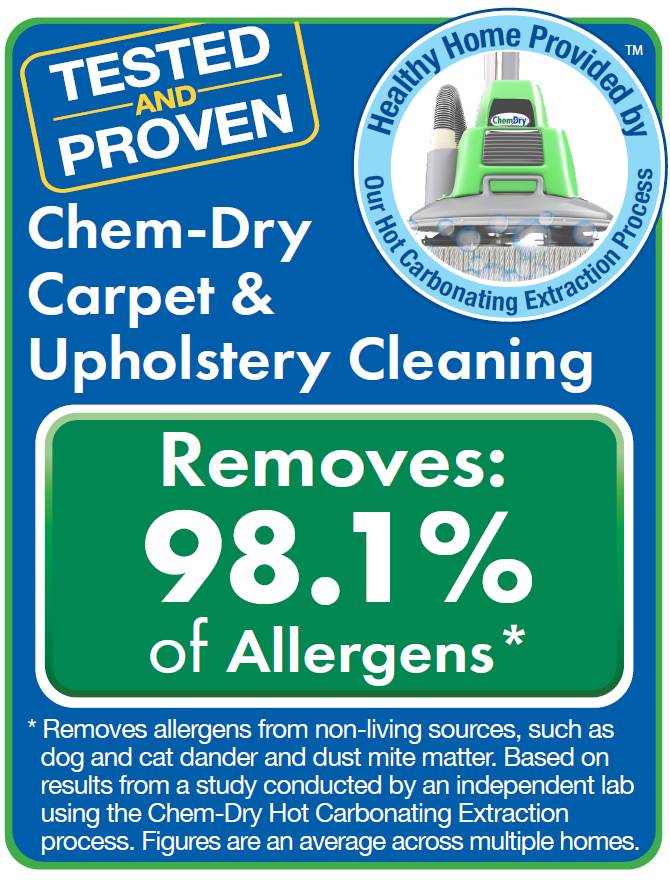
- Does the cleaning process remove common household allergens? Independent laboratory studies confirm that the primary extraction process removes an average of 98% of common household allergens from carpets and upholstery.
- How frequently should high-traffic commercial carpets undergo professional maintenance? Commercial environments benefit from professional extraction every three to six months depending on pedestrian traffic volumes and soil accumulation rates.
- Can stubborn pet urine odors be completely eliminated from carpet backing? Specialized treatments utilize advanced oxidizers to break down odor-causing uric acid crystals at the molecular level rather than merely masking smells.
- Will low-moisture cleaning methods cause carpet shrinkage or backing delamination? Controlled moisture application prevents water saturation of natural jute and secondary backing materials, completely eliminating shrinkage risks.
- Do technicians move heavy furniture during the cleaning appointment? Professional service teams assist with moving standard sofas, chairs, and tables as part of comprehensive room preparation protocols.
- Are oriental and antique area rugs cleaned on-site or off-site? Delicate specialty rugs undergo careful evaluation to determine the safest cleaning environment, whether treated on-site or transported for specialized immersion washing.
- How are exact service quotes calculated prior to work commencement? Technicians measure total square footage and inspect specific fiber conditions to provide clear, upfront pricing without hidden fees or surprise charges.
Operational coordination centers around our primary corporate headquarters located at 64 Beaumonde Heights Drive, Toronto, Ontario ON M9V 1V9. Comprehensive property care solutions remain readily accessible to homeowners and commercial facility managers throughout the entire regional service footprint. Professional textile maintenance preserves structural integrity, enhances indoor air quality, and extends the aesthetic life of valuable floor coverings. Dedicated customer support teams answer inquiries live, ensuring seamless scheduling and transparent pricing structures for every client interaction. Long-term property value relies heavily on expert intervention delivered by trained specialists utilizing proven carbonation methodologies.