Professional upholstery cleaning methods in Toronto include hot water extraction and low-moisture Chem-Dry processes, each suited to different fabrics and household needs. All Star Chem-Dry serves Toronto, Markham, Vaughan, and Richmond Hill using a proprietary carbonating solution that lifts dirt without harsh chemicals or soapy residue. Upholstery Cleaning Methods Toronto dries faster than traditional steam cleaning, protecting delicate fabrics while delivering a deeper, longer-lasting clean.
Toronto’s sealed indoor environments during winter months can raise allergen concentrations significantly compared to outdoor air, making the choice of cleaning method more than a cosmetic decision. Sofas, sectionals, and upholstered chairs steadily collect dust, skin oils, pet dander, and seasonal road salt residue tracked in from outside. Vacuuming removes loose surface debris, but embedded allergens and oils require a dedicated extraction process to fully restore the fabric. Homeowners and condo dwellers across the GTA benefit from a method that balances thorough soil removal with a short drying window, since trapped moisture in a high-density building is slow to evaporate and can encourage mold or musty odors. Choosing the right process protects both the furniture investment and indoor air quality.
Key Takeaways
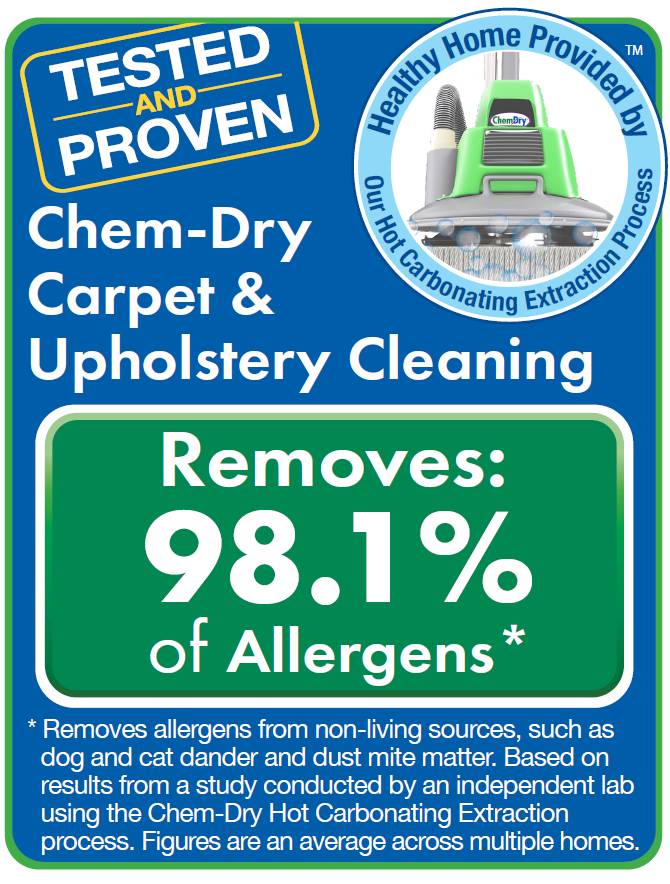
- Hot Carbonating Extraction removes 98% of common household allergens from upholstery while allowing fabrics to dry in 1 to 2 hours.
- Fabric care codes W, S, WS, and X dictate which cleaning solution and technique a piece of furniture tolerates.
- Low-moisture upholstery cleaning methods in Toronto include Hot Carbonating Extraction, dry foam, and encapsulation.
- Steam-cleaned upholstery requires 6 to 24 hours to dry completely, while low-moisture methods achieve dryness in 1 to 2 hours.
What are the best upholstery cleaning methods in Toronto?
Toronto’s humidity, urban dust, and tight condo ventilation demand upholstery cleaning methods that remove allergens without leaving fabric damp for days. The most effective approach combines fabric-matched techniques with low-moisture technology. All Star Chem-Dry’s Hot Carbonating Extraction process removes an average of 98% of common household allergens from upholstery while allowing fabrics to dry in 1 to 2 hours.
This carbonation-based methodology relies on millions of microscopic effervescent bubbles that penetrate deep into furniture fibers, lifting dirt, skin oils, and airborne allergens to the surface where they can be safely extracted. Unlike legacy steam cleaning, which forces large volumes of water into the fabric backing, Hot Carbonating Extraction uses a fraction of the water, which means less liquid is left behind to encourage mold growth or that lingering “wet dog” odor some homeowners associate with furniture cleaning. The approach suits a wide range of materials, from everyday microfiber sectionals to delicate natural fibers like silk and wool, because the technician matches the solution strength and agitation method to what the fabric can actually tolerate. For Toronto homeowners balancing busy households with a desire for a genuinely deep clean, this combination of thorough soil removal and fast drying makes professional upholstery cleaning a practical, low-disruption service rather than a multi-day inconvenience.
How do fabric care codes determine the right method?
Fabric care codes (W, S, WS, X) dictate which cleaning solution and technique a piece of furniture tolerates. A fabric-matched method prevents shrinkage, color bleeding, and fiber damage. All Star Chem-Dry confirms that professional furniture cleaning uses fabric-matched methods for a safe, deep clean.
What makes Hot Carbonating Extraction different?
- Check the fabric care code before any treatment begins.
- Apply carbonating solution that lifts dirt with effervescent bubbles.
- Extract soil using low-moisture equipment to minimize water absorption.
- Allow upholstery to dry in 1 to 2 hours, reducing mold risk in humid Toronto homes.
Hot Carbonating Extraction uses carbonation rather than heavy water saturation. This method protects delicate fabrics while addressing allergens common in Toronto’s urban environment. Homeowners seeking deeper guidance can review expert upholstery cleaning secrets for Toronto-specific fabric care.
Steam cleaning vs carbonating extraction: how do they compare?
Steam cleaning and low-moisture methods deliver different results for Toronto upholstery. Steam cleaning uses hot water extraction that forces water deep into fabric backing. Low-moisture approaches use minimal water and specialized chemistry instead.
Traditional steam cleaning saturates upholstery fibers completely. High pressure drives water and soap through to the backing layer. Liters of water often remain trapped beneath the surface. This trapped moisture creates prolonged dry times and raises mildew risk in Toronto condos with limited ventilation. Over repeated cleanings, this saturation can also weaken the adhesive bonds holding certain upholstery frames together, shortening the furniture’s usable life.
Low-moisture upholstery cleaning methods Toronto professionals offer include Hot Carbonating Extraction, dry foam, and encapsulation. Hot Carbonating Extraction leaves carpets and upholstery dry in 1 to 2 hours. Faster drying reduces mold development significantly, which matters in sealed condo units where opening windows for ventilation is not always practical, particularly during Toronto’s colder months.
Cost and convenience also factor into the comparison. Steam cleaning equipment is widely available and often inexpensive to rent, but the extended drying window typically means furniture is unusable for a day or more. Low-moisture carbonating extraction costs more to administer because it requires professional-grade equipment and trained technicians, but the furniture returns to service the same day, which most households and businesses consider well worth the difference.
Which method works best for delicate fabrics?
Dry foam and encapsulation methods suit velvet or silk upholstery well. These techniques clean gently without overwetting fragile fibers. However, deep allergen extraction remains limited with surface-level approaches. A professional upholstery cleaning service offering professional sofa cleaning evaluates fabric type before selecting the appropriate method.
How long does each method take to dry?
Steam-cleaned upholstery requires 6 to 24 hours to dry completely. Low-moisture methods achieve dryness in 1 to 2 hours. Condo residents benefit from faster turnaround when ventilation options are restricted.
What steps should you follow for safe DIY upholstery cleaning?
Safe DIY upholstery cleaning in Toronto starts with identifying the fabric type. Every piece of furniture carries a manufacturer’s care code tag. Ignoring that code risks permanent damage. The tag displays one of four letters: W, S, WS, or X. A “W” code permits water-based cleaners only. An “S” code requires solvent-based cleaners. “WS” allows either method. An “X” code means vacuum-only maintenance. Professional services in Toronto use fabric-matched methods to avoid these hazards.
Before attempting any DIY treatment, vacuum the entire piece thoroughly with an upholstery attachment, working into seams, piping, and crevices where debris and pet hair accumulate. This removes loose soil that would otherwise turn into mud or paste once any liquid or foam cleaner is applied. Test any product in a small, hidden area, such as the back of a cushion or underside of an arm, and wait a few minutes to check for colour change, shrinkage, or texture change before treating a visible surface.
What does the upholstery care code mean for cleaning?
The care code dictates every product choice. Using water on an “S”-coded fabric causes shrinkage and browning. Applying solvent to a “W”-coded fabric leaves chemical residue rings. Toronto homes with mixed-fabric sectionals face the highest risk. Always test any cleaner on a hidden area first.
How should fresh spills be treated immediately?
Blot the spill with a clean, white cloth. Never rub the fabric. Rubbing forces the stain deeper into fibers and sets it permanently. Work from the outer edge toward the center. This technique prevents the spill from spreading. Quick action stops liquids from reaching the cushion core, where overwetting leads to mold and color bleeding. If the spill involves wine, coffee, or pet accidents, blot up as much liquid as possible first, then apply a small amount of cold water or a fabric-appropriate cleaner based on the care code, blotting again rather than scrubbing. Avoid heat from hair dryers or direct sunlight when drying a treated spot, since heat can set certain stains permanently into the fibers and make later professional removal far more difficult.
For delicate fabrics or stubborn stains, professional upholstery cleaning methods in Toronto protect furniture investments. All Star Chem-Dry’s technicians apply precise moisture control and avoid heat-setting stains. Homeowners seeking guidance on routine care can review practical advice on how to keep upholstery clean at all times.
FAQ
What is the best upholstery cleaning method for Toronto homes?
All Star Chem-Dry’s Hot Carbonating Extraction removes 98% of common household allergens and dries upholstery in 1 to 2 hours.
How do fabric care codes affect upholstery cleaning?
Fabric care codes W, S, WS, and X dictate which cleaning solution and technique a piece of furniture tolerates, preventing shrinkage and fiber damage.
How does Hot Carbonating Extraction differ from steam cleaning?
Hot Carbonating Extraction uses carbonation and low moisture, drying in 1 to 2 hours, while steam cleaning saturates fibers and requires 6 to 24 hours to dry.
Conclusion
Toronto upholstery cleaning demands a method that removes allergens without leaving fabric damp for hours. Hot Carbonating Extraction delivers this balance, drying furniture in a fraction of the time steam cleaning requires. Homeowners who match their fabric care code to the right technique protect their investment and improve indoor air quality. Choose a professional service that prioritizes low-moisture technology for a deeper, safer clean.
Whether dealing with a lightly soiled accent chair or a heavily used family sectional, the right method comes down to matching the fabric, the soil level, and the household’s drying-time needs. DIY spot treatment handles minor, fresh spills well, but deep-seated allergens, pet dander, and set-in stains respond best to professional-grade carbonating extraction. For Toronto and GTA households looking to protect delicate fabrics while keeping furniture usable the same day, a trained technician using fabric-matched, low-moisture technology remains the most reliable choice.