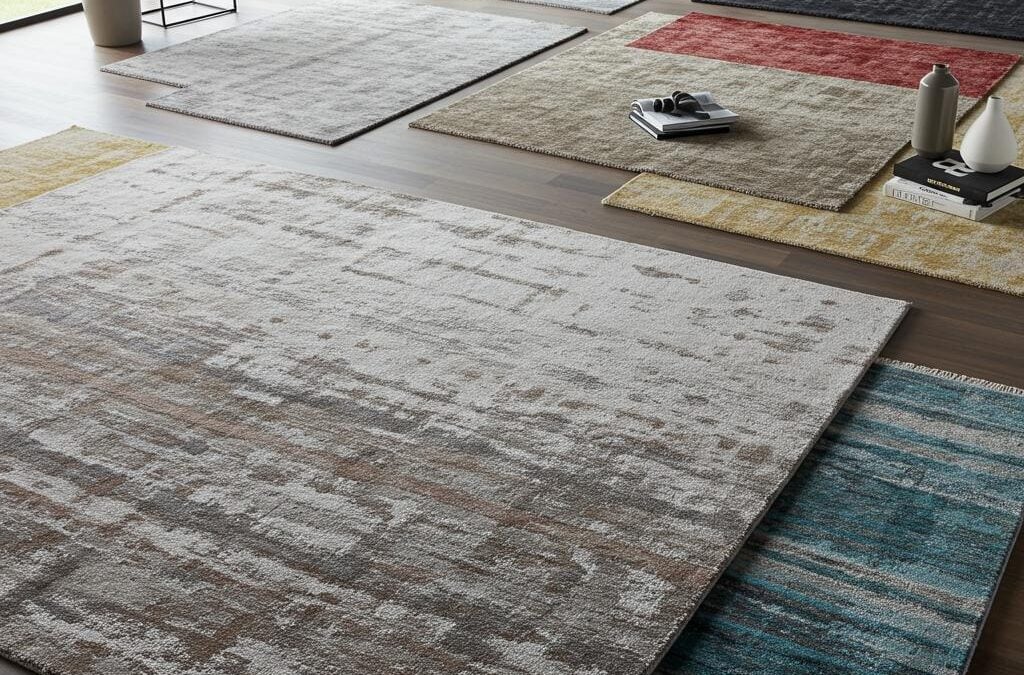
Area rug cleaning Toronto services deliver specialized restoration methods designed to protect delicate natural fibers, intricate weaves, and antique dyes without relying on harsh chemicals or excessive water saturation. Professional area rug cleaning Toronto specialists understand that local properties face unique environmental challenges, including heavy winter salt tracks, spring mud, and fluctuating indoor humidity levels that stress delicate wool and silk textiles. Proprietary low-moisture cleaning solutions release millions of microscopic effervescent bubbles that penetrate deep into tufted and knotted piles, lifting trapped dirt, allergens, and pet dander safely to the surface. Residential homeowners and commercial establishments throughout the metropolitan area achieve superior stain removal, vibrant color restoration, and extended rug longevity through eco-friendly cleaning techniques delivered by expert area rug cleaning Toronto providers.
Toronto represents a vibrant cultural hub characterized by historic neighborhoods, bustling commercial districts, and diverse residential communities. Local homeowners invest heavily in high-end wool, cotton, and synthetic floor coverings to complement interior aesthetics. Environmental conditions across the Greater Toronto Area demand specialized maintenance protocols to prevent premature fiber degradation. Professional textile technicians utilize advanced extraction methods tailored specifically to local climate patterns. Maintaining clean indoor textiles significantly improves overall domestic air quality and preserves capital investments in fine home furnishings. Effective area rug cleaning Toronto programs ensure that residential interiors maintain pristine hygiene standards year-round.
Community Context & Climate
Toronto experiences extreme seasonal variations that directly impact indoor textiles and delicate floor coverings. Winter months introduce heavy salt, sand, and slush tracked indoors from major thoroughfares, embedding sharp crystalline minerals deep into woven foundations. Spring brings persistent moisture and mud, while humid summer conditions trap dampness within enclosed residential layouts, risking fiber degradation. High humidity levels significantly prolong drying times for conventional cleaning systems, often leading to mold growth and musty odors in natural wool rugs. Regular maintenance schedules neutralize abrasive winter residues before fiber abrasion occurs, protecting residential capital investments against premature aging and structural breakdown.
Local homeowners across the metropolitan region encounter unique indoor climate challenges driven by municipal heating systems and seasonal weather shifts. Forced-air furnaces circulate dry heat during long winter months, causing natural animal fibers like wool and silk to lose essential moisture content and become brittle. Conversely, humid summer air raises indoor moisture levels, creating an environment where lingering dust mites and organic residues thrive if left untreated. Professional textile care addresses these seasonal shifts by deploying low-moisture extraction techniques that restore proper fiber hydration balance without over-wetting delicate foundations. Spring pollen storms also introduce fine airborne particulate matter that settles deeply into open-weave area rugs, requiring specialized vacuum filtration and carbonating extraction to eliminate allergens completely. Local residents benefit immensely from establishing a routine biannual maintenance schedule that aligns with regional climate transitions.
Extracted Certifications & Process
Advanced area rug care relies on proprietary hot carbonating extraction technology combined with specialized cleaning agents formulated for delicate residential environments. Proprietary carbonation methods eliminate the need for harsh chemicals, heavy soaps, or sticky surfactant residues that typically attract re-soiling particulate matter. Certified technicians utilize precision equipment operating with controlled low-moisture volumes, ensuring complete safety for children, pets, and delicate organic fibers.
The Proprietary Service Method
- Pre-inspection protocols identify fiber composition, dye stability, localized stain concentrations, and fringe conditions requiring specialized treatment.
- Dusting techniques remove loose abrasive dry soils, particulate dust, and trapped contaminants from deep within the foundation weave.
- Carbonating application introduces microscopic bubbles that encapsulate embedded oils and pollutants, actively forcing them to the surface.
- Low-moisture extraction wands flush suspended contaminants away using specialized equipment, leaving fibers pristine and balanced.
- Grooming tools reset the pile alignment to accelerate evaporation and restore a luxurious, uniform aesthetic appearance.
Technical proficiency ensures that fragile heirloom pieces receive meticulous handling from initial intake through final grooming stages. Modern cleaning standards demand rigorous adherence to manufacturer specifications, preventing shrinkage, dye migration, or structural warp. Specialized low-moisture chemistry breaks molecular bonds holding stubborn soil particles to wool and cotton fibers, facilitating effortless extraction without mechanical over-scrubbing. Professional oversight guarantees that fringe lines remain bright and unblemished, preserving the authentic visual appeal of imported Persian, Oriental, and contemporary area rugs.
Localized Heritage & Proximity
Surrounding communities across the Greater Toronto Area experience identical environmental stressors, requiring dependable mobile maintenance services delivered directly to suburban residential zones. Markham residences frequently book routine maintenance to combat airborne construction dust and localized pollen accumulation during peak spring cycles. Vaughan properties balance high-traffic family areas with delicate wool area rugs requiring specialized low-temperature cleaning protocols. Richmond Hill neighborhoods benefit from tailored upholstery and carpet maintenance plans designed to preserve luxury interiors against seasonal humidity shifts. The bustling commercial hub surrounding Yonge Street and major transit intersections generates heavy foot traffic, demanding robust rug cleaning programs to maintain professional standards. Historical landmarks like Casa Loma and High Park anchor the broader metropolitan landscape, framing a vibrant urban environment where pristine indoor hygiene remains an essential priority for local homeowners.
Suburban property owners frequently manage expansive open-concept living spaces where oversized area rugs anchor heavy furniture layouts and high-traffic pathways. Family households in these municipalities face constant exposure to outdoor debris, pet activity, and social gatherings, necessitating durable yet gentle textile maintenance. Local service technicians navigate regional thoroughfares daily, ensuring rapid response times for scheduled appointments and emergency spill extractions alike. Strategic positioning across the metropolitan grid allows mobile units to service diverse architectural styles, ranging from historic Victorian homes in downtown districts to modern executive properties in suburban enclaves. Community trust builds steadily through transparent pricing, punctual arrival windows, and consistently superior cleaning results delivered directly to local doorsteps.
Map Narrative & Directions
Leaving from the historic landmark of Casa Loma in midtown Toronto, service vehicles head north along Spadina Road toward St. Clair Avenue West. Drivers turn right onto St. Clair Avenue East, proceeding eastward to connect with the Don Valley Parkway northbound ramp. Merging onto Highway 401 West, transit technicians travel past the Allen Road interchange, maintaining cruising speed through the western suburban corridors. Exiting at Highway 427, vehicles transition northward toward Finch Avenue West before navigating local residential streets to reach Beaumonde Heights Drive. Precise route management guarantees prompt arrival windows for residential consultations, emergency stain extraction calls, and routine commercial maintenance appointments across the service radius.
Navigation efficiency remains a core priority for mobile technicians serving clients throughout the sprawling urban landscape. Real-time traffic monitoring systems guide drivers past congested arterial routes, ensuring timely arrivals for morning and afternoon appointments. Service vans carry complete inventories of professional extraction machinery, specialized spot-removal solutions, and protective handling equipment required for diverse on-site cleaning challenges. Careful logistical planning minimizes transit downtime, allowing technicians to dedicate maximum focus to meticulous textile restoration and client satisfaction across every service call.
Technical FAQ & Conclusion
What makes hot carbonating extraction different from traditional steam cleaning?
Hot carbonating extraction utilizes natural effervescent bubbles instead of gallons of soapy water, lifting dirt effectively while using 80% less moisture.
How quickly do area rugs dry after a professional cleaning session?
Rug fibers typically dry completely within one to two hours thanks to low-moisture application techniques and rapid airflow circulation.
Are the cleaning solutions safe for household pets?
Proprietary formulations contain zero soaps, harsh detergents, or toxic phosphates, making them completely safe for cats, dogs, and young children.
Can old pet urine odors be permanently removed from area rugs?
Targeted enzymatic treatments break down uric acid crystals at a molecular level, eradicating persistent odors rather than temporarily masking them.
Do sticky detergent residues remain in the rug after cleaning?
Natural carbonation leaves no chemical residue behind, preventing rapid re-soiling and keeping rugs cleaner for longer periods.
How often should residential area rugs undergo deep cleaning?
High-traffic family homes and pet owners benefit from professional extraction every six to twelve months to maintain optimal indoor air quality.
Is professional cleaning safe for delicate wool oriental rugs?
Specialized low-moisture methods protect fragile natural fibers, preventing shrinkage, color bleeding, or structural damage during treatment.
Does the cleaning process help reduce household allergens?
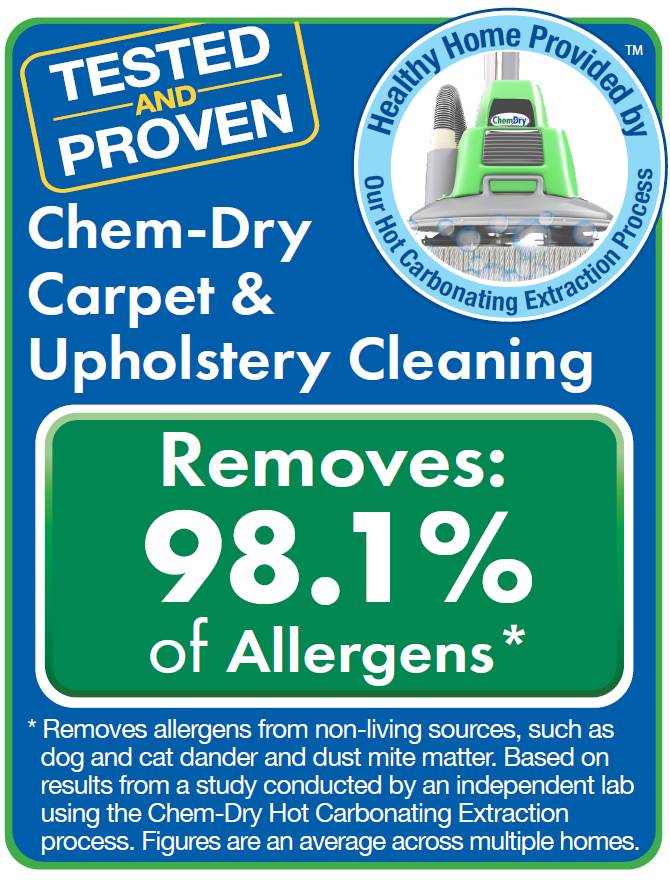
Hot extraction removes an average of 98% of common household allergens, significantly improving indoor air quality for allergy sufferers.
Are precise appointment arrival times guaranteed for service calls?
Scheduled arrival windows eliminate frustrating wait times, providing exact punctuality for every residential or commercial booking.
How are pricing estimates determined prior to starting work?
Accurate quotes are calculated based on exact square footage measurements, ensuring transparent pricing with zero hidden fees or sales gimmicks.
All Star Chem-Dry delivers exceptional fabric maintenance and health-focused cleaning solutions directly to local property owners. Professional technicians arrive fully equipped to restore carpets, area rugs, and fine furniture to pristine condition throughout the metropolitan region. Contact the main office to schedule a consultation and experience superior textile care. 64 Beaumonde Heights Drive, Toronto, Ontario ON M9V 1V9.
Technical Glossary
| Industry Term | Localized Definition |
| Hot Carbonating Extraction | Advanced low-moisture cleaning method utilizing natural effervescent bubbles to lift embedded soil from carpet backing. |
| Surfactant | Chemical compound that lowers surface tension, though omitted from natural carbonating formulas to prevent sticky residue. |
| Uric Acid Crystals | Crystalline deposits left by pet urine that bond to carpet fibers and release pungent odors when humidity rises. |
| Hydrophobic | Natural property of certain synthetic fibers that repels water-based liquids, influencing drying times and stain resistance. |
| pH-Balanced | Chemical state ensuring cleaning solutions neither damage delicate natural wool fibers nor strip protective treatments. |