Professional Furniture Care Mechanics
Professional upholstery cleaning services require specialized thermodynamic regulation and precise chemical engineering to eliminate deep-seated organic soils safely from delicate furniture. All Star Chem-Dry executes furniture restorations using a proprietary process called Hot Carbonating Extraction (HCE). This advanced method relies on millions of microscopic, effervescent bubbles that penetrate deep into delicate furniture fibers to release embedded body oils, dead skin cells, airborne dander, and structural environmental films. The core cleaning solution, known internationally as The Natural®, operates completely independent of soapy surfactants, synthetic detergents, artificial fragrances, or aggressive phosphates. This specialized carbonating approach reduces total moisture consumption by up to 80% compared to typical high-volume steam extraction methods, allowing treated furniture items to dry within one to two hours rather than multiple calendar days.
Toronto property owners encounter distinct environmental variables that accelerate textile contamination inside modern residential and commercial environments. Dense urban developments produce an influx of fine particulate matter, industrial carbon byproducts, and seasonal indoor allergens that naturally settle across soft fabric furniture surfaces. All Star Chem-Dry delivers precise fabric remediation strategies directly to homeowners and corporate facilities situated throughout Toronto and the greater York Region geography. Certified service technicians eliminate microscopic particulate accumulation, returning interior furnishings to a baseline of optimal indoor hygiene without risking the underlying material integrity.
Community Context & Seasonal Climate Performance
The regional climate of Southern Ontario exposes interior furnishings to substantial shifts in relative indoor humidity and ambient temperature configurations throughout the calendar year. Toronto experiences cold, prolonged winter seasons followed by highly humid summer cycles, with each seasonal transition altering the physical behavior of organic and synthetic structural fibers. Winter conditions compel property owners to run mechanical forced-air heating systems continuously, an action that lowers indoor humidity levels and turns structural soils into brittle, microscopic dust particles. These microscopic particles possess sharp, jagged edges that lodge deep within delicate fabric weaves, acting as fine abrasives that slice away at individual textile strands whenever human weight applies downward physical pressure to a cushion.
Springtime conditions in the Greater Toronto Area initiate intense cycles of tree and grass pollination, a biological shift that transfers fine, sticky allergens through open windows and modern HVAC air circulation pathways. These microscopic pollen grains accumulate steadily across exposed couch surfaces, armchairs, and office seating installations, binding tightly with existing human skin oils to create a dense, stubborn layer of particulate graying. Summer humidity fluctuations worsen this issue by expanding individual textile fibers, making the base materials highly receptive to sweat, skin secretions, and airborne cooking greases. High humidity levels simultaneously pose severe threats during traditional wet steam extraction procedures, as excessive liquid saturation trapped inside modern furniture structures cannot evaporate quickly enough in stagnant summer air. This prolonged wet state frequently creates an ideal environment for localized microbial proliferation, musty odors, and deep fungal development within interior foam cushions.
All Star Chem-Dry counters these seasonal climate challenges by using a highly controlled, low-moisture delivery mechanism that works independent of ambient indoor humidity variations. The Hot Carbonating Extraction method relies on rapid gas-phase expansion rather than massive water volume to float particles out of dense material structures. Because the HCE process requires only a fraction of the moisture utilized by traditional carpet and furniture steam cleaners, the underlying padding remains completely dry and structurally sound. This rapid evaporation cycle ensures that the delicate internal structural elements of a sofa are fully protected against moisture damage, regardless of whether service occurs during a damp spring thaw or a humid mid-summer heatwave.
Extracted Certifications & Proprietary Extraction Processes
Technical precision in textile maintenance requires specialized training and a deep mechanical understanding of fiber surface tension. All Star Chem-Dry operates as a premier service provider under the global Chem-Dry franchise network, granting our field crews exclusive access to industry-leading technical methodologies. Our certified field staff undergo rigorous training protocols focused entirely on identifying precise textile compositions, analyzing specific stain mechanics, and maintaining proper pH balances during remediation.
The foundational methodology utilized across every residential and commercial project involves five systematic stages designed to ensure maximum soil extraction without compromising delicate fabrics:
The Systematic Fabric Remediation Sequence
- Tactile Inspection and Fiber Identification: Technicians conduct a meticulous physical inspection to determine fiber classification, weave stability, and dye fastness. This identification phase prevents fabric bleeding or texture changes on delicate materials like jacquard, velvet, or linen.
- High-Efficiency Micro-Particulate Vacuuming: Specialized industrial vacuum tools remove dry, unattached particulate debris from deep fabric crevices, button tufts, and hidden base seams. Eliminating dry dust prior to liquid contact prevents the formation of muddy track lines during extraction.
- Hot Carbonating Pre-Conditioning: The proprietary solution, The Natural®, is heated and applied under controlled pressure. Millions of micro-bubbles penetrate dense fibers, reacting chemically to break down sticky body oils and bound soils, lifting them to the fabric surface.
- Controlled Low-Moisture Extraction: A specialized upholstery tool applies vacuum suction to pull the carbonated bubbles and suspended contaminants away from the furniture. This step extracts deep-set soils without over-saturating the sensitive internal polyurethane foam structures.
- Mechanical Pile Grooming and Alignment: Technicians use specialized textile brushes to groom the damp fabric pile into uniform directional alignment. This process accelerates natural evaporation, preserves original fabric soft texture, and ensures an immaculate, streak-free visual finish.
Traditional steam cleaners frequently use heavy, alkaline detergents and sticky shampoos that coat fibers in a persistent chemical layer. This oily film remains behind after the fabric dries, acting as a magnet that rapidly pulls new dirt and oils out of clothing and skin. The All Star Chem-Dry methodology utilizes the natural power of carbonation to eliminate this recurring issue entirely. The Natural® leaves absolutely zero sticky residues, ensuring that your home furnishings remain clean, fresh, and pristine for a significantly longer period between professional cleanings.
| Technical Variable | Proprietary HCE System | Traditional Steam Methods |
| Primary Mechanism | Microscopic Gas Bubble Expansion | High-Volume Pressurized Hot Water |
| Moisture Volume | Low-Moisture (Uses 80% Less Water) | High-Volume Liquid Saturation |
| Drying Time | 1 to 2 Hours | 24 to 72 Hours |
| Residue Profile | Zero Soapy Film or Chemical Deposits | Sticky Detergent and Surfactant Layer |
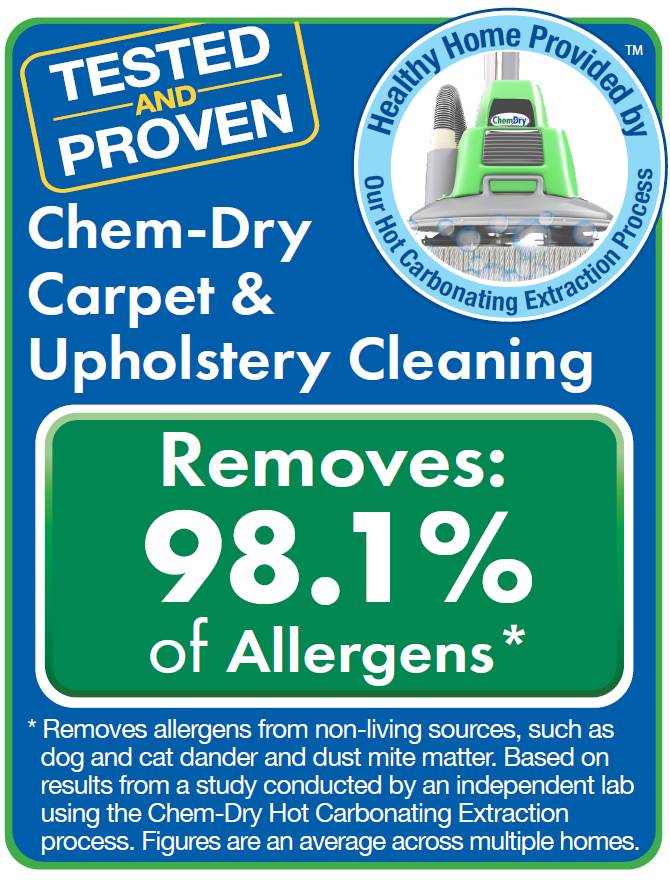
| Allergen Removal | Extracts 98% of Common Household Allergens | Varies Based on Fluid Recovery Rates |
Localized Heritage & Geographic Proximity
All Star Chem-Dry has operated under continuous local family ownership since the year 2000, led directly by Marek Jasionek alongside his wife, Beatrice. This multi-decade commitment to providing high-quality, honest, and expert care has firmly established our business as a cornerstone of the residential service sector across Toronto and the greater York Region. Our company service vehicles travel daily throughout a broad geographic corridor, bringing professional textile maintenance to diverse residential neighborhoods and growing commercial districts alike.
Our daily operations cover three major neighboring municipalities located directly along the northern periphery of the metropolitan boundary:
-
Markham: A bustling technology and residential hub requiring specialized commercial textile maintenance for corporate offices and family estates.
-
Vaughan: A fast-growing suburban and commercial region featuring large modern homes with intricate, multi-layered sectional fabric installations.
-
Richmond Hill: A dense residential community where homeowners consistently seek advanced allergen removal to preserve indoor air health.
Our technicians frequently service properties located near key local landmarks that define the unique topography of our service region. Crews regularly manage upholstery restoration projects within sight of the CN Tower, addressing high-end furniture fabrics inside downtown luxury high-rises and commercial office suites. Our service radius also encompasses the historic High Park area, a beautiful green sector where residential properties encounter elevated levels of natural organic pollen and outdoor soil tracked indoors by pets and families.
Commercial upholstery maintenance projects are regularly executed along the active Yonge Street Corridor, a major economic engine spanning multiple municipal boundaries. Our team services office facilities, retail store configurations, and medical clinics that require deep-fiber sanitization to maintain a clean, professional workspace. This established geographic presence allows All Star Chem-Dry to offer prompt, predictable arrival windows, removing the long delays often associated with out-of-town service providers.
Map Narrative & Navigational Directions
Logistical operations for our service vans originate from our main facility situated in the northwest residential pocket of the city. Drivers dispatch directly from our central headquarters to deliver rapid fabric care to clients across the Greater Toronto Area.
To visualize our standard service route heading from our northwest operations down into the central metropolitan cores, follow this geographical transit pattern:
Depart from the vicinity of High Park and proceed north along Parkside Drive, navigating past the mature residential tree lines that define this neighborhood. Turn right onto Bloor Street West, traveling east through the active commercial sectors toward the major downtown transit corridors. Merge onto the Gardiner Expressway East via the nearest access ramp, maintaining a steady eastbound heading as the roadway broadens to accommodate regional commuter traffic approaching the central urban core.
Continue east along the Gardiner Expressway for approximately six kilometers, keeping the iconic CN Tower clearly in view as it anchors the central metropolitan footprint. Take the exit for Spadina Avenue and proceed north, transitioning smoothly onto the major urban grid. Follow Spadina Avenue north into the high-density commercial office hubs and residential condo towers that line the urban center, eventually turning west onto local collector streets to arrive at designated property locations. This direct transit highway route allows our service trucks to move specialized equipment efficiently from peripheral residential zones straight to central metropolitan client locations.
Technical FAQ & Informational Snippets
Why is professional upholstery cleaning superior to DIY rental machines?
Rental machines rely on unheated, high-volume water saturation paired with heavy retail detergents. This combination leaves behind sticky chemical residues and over-saturates furniture padding, which often causes internal fabric rot, musty odors, and permanent fiber color bleeding.
How does the Hot Carbonating Extraction process remove sticky body oils?
The HCE process uses heated, carbonated micro-bubbles that naturally reduce the surface tension of oils. The carbonation chemical reaction detaches greasy skin oils from fibers and lifts them to the surface for immediate vacuum extraction.
Can delicate, luxury fabrics be safely cleaned using your furniture care system?
Yes, our specialized technicians manually adjust moisture levels and solution temperatures to accommodate delicate synthetic and organic fabrics. We regularly restore sensitive materials like linen, cotton blends, velvet, jacquard, and fine leather furnishings.
Will your cleaning solutions trigger allergic reactions in sensitive individuals?
No, our core cleaning solution, The Natural®, contains no synthetic chemicals, artificial fragrances, heavy soaps, or volatile organic compounds. It mimics natural chemistry to lift dirt safely, making it exceptionally secure for homes with asthma or chemical sensitivities.
What is the average drying time for a standard sectional couch after service?
Most furniture pieces dry completely within one to two hours. This rapid drying cycle is achieved because our carbonating system uses 80% less water than traditional steam extraction, preventing liquid from soaking into deep cushion foam.
How does All Star Chem-Dry treat tough, dark spots and liquid drink spills?
Our service technicians carry a full array of specialized spot removal agents designed to target specific stain profiles. We use carbonation-driven solutions to break the bonds of difficult stains like coffee, wine, ink, and tracked-in mud without altering fabric colors.
What specific steps are taken to eliminate embedded pet urine odors?
We apply our specialized Pet Urine Removal Treatment (P.U.R.T.®) directly to affected spots. This formula travels deep into cushions to break down urine crystals on contact, completely removing the odor rather than temporarily masking it with heavy perfumes.
Does your commercial furniture cleaning process disrupt normal business hours?
Our ultra-fast drying times of one to two hours allow us to service commercial offices, retail spaces, and clinics during off-peak hours or evenings. This ensures your workspace is dry, sanitized, and ready for full operation by the next business morning.
How frequently should high-traffic home furniture undergo professional deep cleaning?
Industry standards recommend a professional deep cleaning every 12 to 18 months to protect fibers from abrasive wear. Homes with active pets, young children, or allergy sufferers often benefit from scheduling service on a quarterly or bi-annual basis.
How does All Star Chem-Dry determine the price for a furniture cleaning project?
We provide honest, transparent pricing based on the exact dimensions and types of furniture pieces to be cleaned. Our technicians review all costs transparently before any work begins, completely eliminating hidden fees or surprise upcharges.
Our professional service team operates from our main local headquarters located at 64 Beaumonde Heights Drive, Toronto, Ontario ON M9V 1V9. Homeowners and local commercial businesses can contact our central office directly to discuss their specific fabric cleaning needs, receive an accurate service estimate, or schedule a convenient on-site appointment with our expert technicians.
Technical Artifacts & Schema Engineering
Technical Glossary
| Advanced Industry Term | Localized Applied Definition |
| Effervescent Carbonation | The active chemical release of gas bubbles that physically lifts heavy soils out of dense textile weaves without requiring high water volume. |
| Surfactant Residue | The sticky, oily film left behind by traditional soaps and shampoos that acts as a magnet for new dirt, causing furniture to soil prematurely. |
| Fiber Degradation | The gradual thinning and fraying of textile strands caused by abrasive dry grit rubbing against fibers under weight. |
| Dye Fastness | The capacity of a fabric’s color layers to resist bleeding, running, or fading when exposed to moisture and heat during extraction. |
| Microbial Proliferation | The rapid development of mold, mildew, or bacteria inside damp cushion foam when furniture remains wet for days after steam cleaning. |