
Professional deep cleaning upholstery in Toronto removes embedded dirt, allergens, and bacteria that standard vacuuming misses. All Star Chem-Dry uses eco-friendly, fabric-safe methods to protect furniture investments, drawing on hot water extraction and carbonated cleaning techniques that are gentle on fibers yet thorough against ground-in soil. Toronto’s four-season climate brings salt, slush, and humidity into homes for much of the year, and upholstered furniture absorbs much of that grime along with everyday dust, skin cells, and pet dander. Condo dwellers and homeowners across the GTA often notice that couches and accent chairs collect odors and allergens faster than hard flooring, because fabric traps particles instead of releasing them. The National Institute of Environmental Health Sciences confirms indoor air quality directly impacts health, making thorough couch cleaning and furniture cleaning in Toronto essential rather than optional for families with children, pets, or allergy sufferers in the home.
Key Takeaways
- Standard vacuuming only removes surface debris, while professional extraction eliminates embedded dirt and allergens.
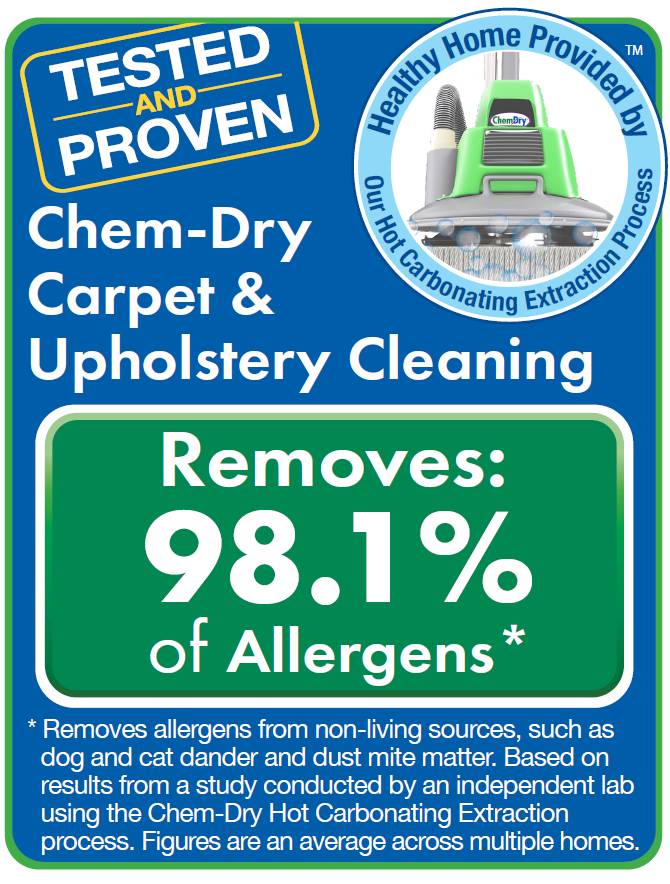
- Hot Carbonating Extraction removes 98% of common household allergens without overwetting the fabric.
- Professional cleaning uses controlled moisture levels, allowing upholstery to dry in 1 to 2 hours.
- Fabric identification and care tag location are critical steps before any cleaning appointment.
What is deep cleaning upholstery in Toronto?
Deep cleaning upholstery in Toronto is a professional restoration process that extracts embedded dirt, allergens, and stains from deep within fabric fibers. Standard vacuuming only removes surface debris: the dust mites, pet dander, and bacteria that settle into cushion fill and fabric weave stay behind and continue to circulate every time someone sits down. Without professional extraction, these microscopic pollutants accumulate and degrade indoor air quality over time, a particular concern for Toronto apartments and condos where ventilation is limited and windows stay closed for much of the year.
Technicians first assess the textile type, then select cleaning agents and techniques suited to that specific material. Natural fibers like cotton and linen respond differently to moisture and chemical agents than synthetic blends or delicate silk upholstery, so this assessment is not a formality. It directly determines whether hot water extraction, a lower-moisture carbonated method, or a specialized dry-cleaning agent is the right call. This matching of method to material prevents shrinkage, color bleeding, and fiber damage, and it is the single biggest reason professional furniture cleaning in Toronto consistently outperforms generic rental machines or off-the-shelf spray cleaners.
How does the Hot Carbonating Extraction process work?
All Star Chem-Dry’s Hot Carbonating Extraction (HCE) process removes an average of 98% of common household allergens from carpets and upholstery. The system uses carbonated bubbles to lift dirt to the surface without overwetting the fabric, which is the key difference from hot water extraction methods that push large volumes of water deep into cushions. Carbonation works on a simple principle: millions of tiny effervescent bubbles penetrate fabric fibers and physically push embedded soil up and away from the fibers, where it can be extracted rather than redeposited.
- A pre-inspection identifies fabric type and stain composition, so the technician selects the right solution before any moisture touches the furniture.
- A carbonating solution penetrates fibers and releases trapped particles, lifting soil that ordinary surface cleaning never reaches.
- Low-moisture extraction pulls contaminants out while leaving minimal water behind, which is what allows upholstery to dry in hours rather than days.
Because so little water is used compared to hot water extraction upholstery methods, furniture stays structurally sound over repeated cleanings. Wood frames, springs, and padding are not exposed to the saturation that can warp or weaken them over time, which matters for homeowners who want their sofas and chairs to last for years, not just look clean for one season.
Why is professional cleaning safer than DIY methods?
Store-bought machines often leave excessive moisture that breeds mold inside cushions. These rental units typically lack the suction power and temperature control that professional equipment provides, so water sinks into foam padding and wood framing instead of being pulled back out. That trapped moisture can take days to evaporate, creating conditions where mold and mildew take hold inside the furniture where no one can see it until an odor develops. Professional upholstery cleaning in Toronto uses controlled moisture levels and faster drying times to avoid this outcome entirely. The advanced process also eliminates bacteria and dust mites that trigger respiratory issues, creating a healthier living environment for Toronto households, particularly in homes with young children, elderly residents, or family members managing asthma or allergies. The combination of carbonated upholstery cleaning chemistry and commercial-grade extraction equipment reaches a level of soil removal that no consumer product can match, which is why professional service remains the safer long-term choice for protecting both furniture and family health.
How do you prepare for deep cleaning upholstery?
Preparation for deep cleaning upholstery Toronto services starts with two critical steps. Homeowners must identify the fabric type and locate manufacturer care labels before the appointment. Skipping this step risks permanent damage to delicate textiles.
What should a homeowner check before the cleaners arrive?
Fabric identification determines the entire cleaning approach. Professionals require proper knowledge about different rug and carpet types, methods, and machinery to clean them correctly, and the same principle applies directly to upholstered furniture. They must also understand how various spills interact with specific materials, since a red wine stain on cotton behaves very differently from the same spill on a synthetic blend or a delicate silk-upholstered accent chair. A hidden care tag under a cushion or along a seam often reveals whether a fabric needs dry cleaning or water-based treatment, and that single piece of information can prevent irreversible damage before the technician even begins work.
- Remove loose cushions from sofas and sectionals so every surface is accessible.
- Vacuum all surfaces thoroughly, including crevices and under cushions, to lift loose debris before wet cleaning begins.
- Clear the surrounding floor area of toys, shoes, and small furniture so the technician has full access and equipment can be positioned safely.
- Note any specific stains and their cause for the technician, since knowing whether a mark came from food, ink, or a pet accident helps target the right pretreatment.
Pre-vacuuming lifts surface hair and grit. This simple action lets the professional upholstery cleaning process target embedded soils immediately rather than spending appointment time on debris a homeowner could have removed beforehand.
When is the best time to schedule the service?
All Star Chem-Dry accepts bookings Monday through Friday from 8:00 AM to 6:00 PM. Saturday appointments run from 8:00 AM to noon. Morning slots allow maximum drying time before evening use.
What steps ensure safe deep cleaning upholstery?
Safe upholstery cleaning in Toronto starts with a structured process. A proper method protects delicate fabrics and maintains indoor air quality throughout the GTA.
Deep cleaning upholstery Toronto professionals follow three essential phases.
What happens before upholstery cleaning begins?
Technicians conduct a thorough inspection first. This step identifies fabric type, stains, and any pre-existing damage. All Star Chem-Dry specialists assess every spill on the upholstery to determine the best cleaning solution. Skipping this phase risks permanent fabric damage or color bleeding.
- Inspect the fabric and stains. A trained technician examines every section of the furniture. The inspection maps out soil accumulation, spots requiring pretreatment, and areas with wear. Fabric type dictates the entire cleaning approach.
- Apply eco-friendly cleaning solutions. Non-toxic and biodegradable agents lift embedded dirt from upholstery fibers. All Star Chem-Dry uses these solutions to protect both the fabric and the home’s air quality. Harsh chemical residues never remain behind.
- Extract with controlled moisture. Hot Carbonating Extraction sends carbonated water deep into upholstery. The carbonation detaches dirt without soaking the furniture. Upholstery dries in 1 to 2 hours, preventing mold and mildew growth.
Why does drying time matter for Toronto homes?
Toronto’s humidity makes fast drying essential, especially during the humid summer months and in condo units where air circulation is often limited by design. Extended dampness invites mold into upholstery padding, and once spores establish themselves inside foam or cushion fill, removing them typically means replacing the padding rather than cleaning the surface again. The 1-to-2-hour dry time that Hot Carbonating Extraction delivers eliminates that risk completely, because the low-moisture method never saturates the furniture in the first place. Homeowners return to furniture the same afternoon with zero lingering moisture, no musty odor, and no need to block off a room for a day or more while cushions air out. For Toronto and GTA households balancing busy schedules, that turnaround time is often as valuable as the cleaning result itself.
FAQ
How does All Star Chem-Dry’s Hot Carbonating Extraction process clean upholstery?
Carbonated bubbles lift dirt to the surface without overwetting the fabric, then low-moisture extraction pulls contaminants out, removing 98% of common household allergens.
Why is professional upholstery cleaning safer than DIY methods?
Store-bought machines leave excessive moisture that breeds mold inside cushions. All Star Chem-Dry uses controlled moisture levels and dries upholstery in 1 to 2 hours.
What should I do to prepare for a deep cleaning upholstery appointment?
Identify the fabric type and locate manufacturer care labels, remove loose cushions, vacuum all surfaces, and clear the surrounding floor area of toys and furniture.
Conclusion
Deep cleaning upholstery in Toronto protects both your furniture investment and your family’s indoor air quality. Professional extraction removes embedded allergens and bacteria that standard vacuuming leaves behind, while controlled moisture prevents mold growth common with DIY methods. Schedule your appointment during morning hours to allow full drying before evening use. Prepare by identifying fabric type and care labels to ensure safe, effective results.