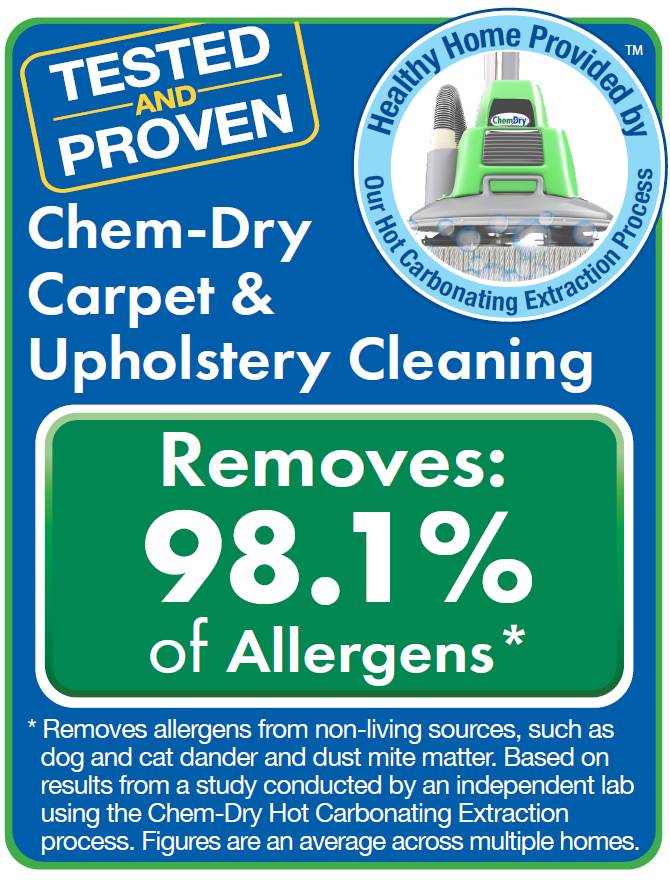
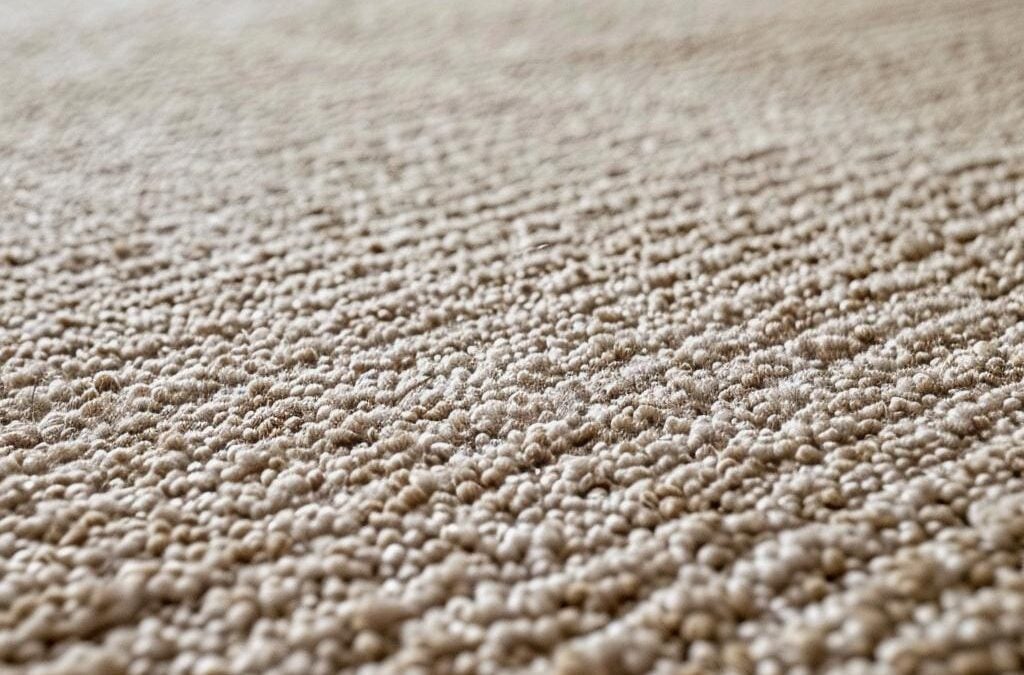
Carpet cleaning expert services in Toronto require advanced technical methodologies to combat heavy urban particulate matter, rigorous winter salt residues, and severe seasonal humidity fluctuations that penetrate indoor textiles across the metropolitan landscape. Modern professional maintenance demands sophisticated extraction techniques that surpass traditional surface washing by utilizing low-moisture carbonated systems to lift embedded contaminants from the base of the carpet fibers without over-wetting delicate backing materials. Homeowners and commercial facility managers throughout Toronto, Markham, Vaughan, and Richmond Hill rely on certified technicians to restore high-traffic wool and synthetic installations safely. Industry-standard cleaning protocols rely on targeted pre-conditioning agents, specialized surfactants, and regulated thermal extraction to neutralize allergens, pet dander, and deep-seated organic soils while protecting structural fiber integrity.
Environmental Challenges and Regional Climate Dynamics
Toronto experiences heavy seasonal environmental challenges, ranging from spring pollen surges and summer humidity spikes to winter road salt accumulation and slush tracked directly into residential and commercial structures. High humidity levels across the region significantly extend traditional carpet drying times, creating an environment where trapped moisture can promote mold growth and musty odors if hot-water extraction is performed with excessive water volume. Low-moisture carbonated extraction systems inject millions of effervescent bubbles that penetrate deep into the pile, breaking the molecular bond between soil and fiber through rapid mechanical agitation rather than soaking the carpet backing. Spring pollen seasons deposit microscopic allergens that settle into carpet fibers, making high-efficiency particulate filtration and deep carbonated extraction essential for maintaining indoor air quality in neighborhoods across the metropolitan area. Winter brings calcium chloride and sodium chloride residues from icy sidewalks, which crystallize within carpet fibers and attract moisture, requiring specialized acidic rinses to neutralize alkaline salt deposits and prevent premature fiber degradation.
Urban residential environments present distinct filtration soil challenges where fine carbon emissions from heavy vehicular traffic infiltrate open windows and settle permanently into low-loop synthetic carpets. Commercial office towers downtown accumulate heavy particulate matter from foot traffic, requiring systematic maintenance schedules to prevent microscopic grit from severing fiber foundations at the primary backing level. Regional temperature shifts cause expansion and contraction in subfloor materials, occasionally stressing carpet seams and making precision moisture control vital during extraction procedures. Specialized encapsulation chemistry surrounds individual soil particles with crystalline polymers that prevent them from bonding back to surrounding fibers during the rapid drying cycle. Regular preventative maintenance protects capital investments in high-end broadloom installations, ensuring sustained aesthetic value and extended product lifecycles across diverse property types throughout the territory.
Advanced Extraction Protocols and Technical Methodologies
Certified carpet maintenance procedures depend on advanced chemical engineering and precise mechanical execution to achieve maximum soil suspension and residue-free extraction. Proprietary carbonated cleaning solutions utilize natural effervescent properties to lift dirt particles upward to the surface where high-powered extraction wands capture them instantly. Hot-water carbonated extraction methods operate with a fraction of the water volume used by traditional steam cleaners, allowing carpets to dry within hours rather than days while eliminating the sticky soap residues that accelerate re-soiling. Qualified technicians apply targeted pre-sprays containing enzymatic surfactants to break down heavy protein-based stains, oils, and high-traffic lane graying prior to primary extraction. Professional fiber grooming follows the extraction phase, setting the carpet pile in a uniform direction to accelerate drying times and leave a pristine, showroom-quality finish across every treated room.
| Maintenance Phase | Technical Execution | Chemical Agent / Equipment |
| Pre-Inspection | Comprehensive fiber identification and damage assessment | PH Testing Strips and Magnification Tools |
| Pre-Conditioning | Emulsification of embedded oils and heavy traffic soils | Enzymatic Surfactant Pre-Spray |
| Carbonation | Effervescent bubble injection for soil suspension | Carbonated Extraction Solution |
| Extraction | High-pressure low-volume thermal soil removal | Rotary Extraction Wands |
| Grooming | Directional pile alignment and fast drying enhancement | Professional Grooming Rakes |
Technical execution begins with a thorough pre-inspection phase where certified specialists identify specific fiber compositions, dye stabilities, and localized stain profiles before selecting appropriate chemical formulations. Pre-conditioning solutions loosen stubborn organic bonds, allowing mild cleaning agents to dismantle grease without harsh bleaching agents that jeopardize color fastness. Mechanical agitation disperses the pre-spray evenly across dense twist carpets, ensuring complete coverage in high-wear pathways and executive boardrooms alike. Extraction wands equipped with precision-calibrated vacuum slots recover suspended moisture instantly, leaving minimal residual dampness behind in the underpad. Final fiber grooming lifts crushed pile back to its original factory orientation, restoring plush tactile comfort and visual elegance throughout the treated space.
Regional Geography and Local Heritage Integration
Toronto serves as the primary commercial and cultural anchor for the region, bordered by vibrant municipalities including Markham, Vaughan, and Richmond Hill, each presenting unique residential layouts and architectural density profiles. Commercial hubs such as the downtown financial district, Yorkdale, and major suburban retail corridors generate heavy daily foot traffic that drives commercial carpet cleaning demand across corporate offices, retail storefronts, and multi-tenant residential buildings. Local landmarks such as the CN Tower and Casa Loma anchor the geographic center of the metropolitan territory, establishing a recognizable baseline for dispatch routing and service radius management throughout the Greater Toronto Area. Residential properties spanning from historic homes in older neighborhoods to contemporary high-rise developments require adaptable cleaning solutions that accommodate varied spatial layouts, elevator access restrictions, and sensitive indoor environments.
Suburban expansions in Markham and Vaughan feature expansive single-family detached homes with intricate multi-level carpeting requiring specialized truck-mounted and portable extraction setups. Richmond Hill properties frequently incorporate custom wool area rugs and delicate imported textiles that demand careful pH-balanced cleaning protocols to preserve rich natural dyes and prevent fiber distortion. Commercial corridors along major regional highways concentrate high-density business operations that schedule flexible after-hours maintenance to maintain pristine presentation standards for incoming clients and corporate visitors. Municipal infrastructure investments continually shape residential growth patterns, requiring local service providers to maintain dynamic scheduling models that adapt seamlessly to shifting traffic conditions and neighborhood developments.
Route Navigation and Operational Logistics
Travel routes from Nathan Phillips Square proceed north via University Avenue and Allen Road, transitioning onto Highway 401 West toward the western sectors of the city. Drivers exit northward onto Highway 400, continuing toward Finch Avenue West before heading west to access Beaumonde Heights Drive in the residential neighborhoods of Etobicoke. Technicians dispatching from the central operations hub navigate major arterial corridors including Finch Avenue, Weston Road, and Highway 400 to service residential and commercial accounts efficiently across Toronto and the surrounding York Region. Local dispatch protocols ensure rapid arrival times for scheduled maintenance appointments, emergency water extraction calls, and routine commercial carpet preservation projects throughout the service territory.
Dispatch operators monitor real-time metropolitan traffic congestion data to select optimal transit routes between downtown commercial accounts and sprawling suburban residential properties in the surrounding municipalities. Fleet vehicles carry fully self-contained extraction units, specialized spot-removal kits, and heavy-duty air movers designed to expedite drying cycles in complex multi-story environments. Careful logistical planning guarantees that technicians arrive fully prepared for specialized restoration tasks, eliminating unnecessary delays and maximizing operational productivity during every scheduled service call.
Frequently Asked Questions
How often should residential carpets undergo professional cleaning?
Residential carpets require professional extraction every twelve to eighteen months to remove abrasive soil particles that cut and weaken carpet fibers over time.
Does carbonated carpet cleaning leave sticky soap residues behind?
Carbonated cleaning solutions rely on natural effervescence rather than heavy soaps or detergents, eliminating sticky chemical residues that attract rapid re-soiling.
What causes dark traffic lanes to form on carpets?
Traffic lanes develop as microscopic dust, oily soils, and pollutants accumulate in high-friction walking areas, breaking down fiber light reflection properties.
How long do carpets take to dry after a low-moisture cleaning process?
Low-moisture carbonated extraction typically allows carpets to dry completely within one to two hours depending on indoor humidity and airflow.
Are cleaning solutions safe for households with pets and children?
Formulations utilize green-certified, non-toxic ingredients that break down safely without releasing harsh volatile organic compounds into indoor living spaces.
Can professional extraction remove deep pet urine odors from carpet backing?
Specialized enzymatic treatments penetrate deep into the carpet cushion and backing to break down uric acid crystals at the molecular source.
What is the difference between steam cleaning and carbonated extraction?
Steam cleaning floods carpets with high volumes of hot water and soap, whereas carbonated extraction uses millions of tiny bubbles to lift soil gently.
Are wool carpets safe to clean with hot water extraction?
Qualified technicians adjust water temperatures and utilize pH-balanced solutions specifically formulated to protect delicate natural wool fibers from shrinkage and damage.
How should homeowners prepare rooms before the technician arrives?
Homeowners should remove fragile items, small electronics, and clutter from the carpeted surfaces prior to the scheduled technician arrival time.
What is the official operational headquarters location for All Star Chem-Dry?
All Star Chem-Dry operates out of 64 Beaumonde Heights Drive, Toronto, Ontario ON M9V 1V9, providing expert carpet, upholstery, and area rug maintenance services across Toronto and York Region.
Technical Glossary
| Term | Local Definition |
| Surfactant | A specialized chemical compound that lowers surface tension, allowing water and cleaning agents to penetrate carpet fibers and lift embedded soils. |
| Hydrophobic | A physical property describing fiber characteristics that repel water and moisture, preventing deep liquid absorption in specialized synthetic textiles. |
| pH-Balanced | A chemical measurement maintaining neutral or slightly acidic acidity levels to prevent fiber discoloration and protect delicate wool structures. |
| Carbonation | The controlled release of microscopic effervescent bubbles that attach to dirt particles and lift them to the surface for immediate extraction. |
| Upholstery | Fabric-covered furniture surfaces requiring specialized low-moisture extraction methods to clean delicate weaves without damaging internal padding. |