
Professional upholstery cleaning Toronto helps protect sofas, sectionals, armchairs, dining chairs, and other upholstered furniture from the dirt and debris that accumulate through everyday use. Dust, body oils, pet hair, food particles, pollen, and outdoor contaminants can become embedded in fabric over time, gradually affecting its appearance and freshness.
Toronto’s changing seasons add another layer of cleaning challenges. Winter brings road salt, slush, and tracked-in debris, while spring and summer can introduce pollen, dust, and increased humidity. Fall brings wet leaves, soil, and other outdoor debris into homes and businesses.
Regular vacuuming can remove loose surface particles, but it cannot always reach deeply embedded soil. Professional upholstery cleaning uses fabric-appropriate cleaning solutions and controlled moisture to loosen and extract contaminants while taking the material’s condition and manufacturer’s care recommendations into account.
Why Upholstery Cleaning Matters in Toronto Homes
Upholstered furniture is exposed to daily contact from family members, guests, children, and pets. High-use areas such as sofa arms, seat cushions, headrests, and backs can accumulate body oils and dirt more quickly than less frequently touched sections.
Over time, this buildup can result in:
- Darkened or greasy-looking armrests
- Persistent furniture odors
- Dull or flattened fabric
- Visible staining
- Accumulated pet hair and dander
- Increased dust inside cushions and seams
- Premature wear from embedded abrasive particles
Professional cleaning can help restore a fresher appearance while removing soil that routine vacuuming may leave behind.
How Toronto’s Seasons Affect Upholstered Furniture
Winter Salt and Slush
Toronto winters can bring snow, slush, and road salt into homes and commercial properties. These materials can transfer from shoes, clothing, and pets onto furniture.
Fine grit can work its way into upholstery fibers and seams. When people sit or move across the furniture, these particles can create friction against the fibers and contribute to premature wear.
Vacuuming can help control surface debris, while professional cleaning can address deeper accumulation.
Spring Pollen and Outdoor Dust
Spring brings increased pollen and outdoor activity. Open windows and frequent movement between indoor and outdoor environments allow pollen and dust to settle on furniture.
Sofas and chairs located near windows, entrances, and high-traffic areas may collect these particles particularly quickly.
Professional upholstery cleaning can help refresh furniture after the winter season and remove accumulated dust and outdoor debris.
Summer Humidity and Everyday Activity
Summer humidity can affect drying conditions after cleaning, making proper moisture control particularly important. Families also tend to spend more time entertaining, relaxing, and moving between indoor and outdoor spaces.
Pets can contribute additional hair, dander, dirt, and outdoor debris to frequently used furniture.
Professional technicians select cleaning methods based on the material and furniture construction to avoid unnecessary moisture.
Fall Leaves and Tracked-In Soil
Autumn introduces wet leaves, soil, and outdoor debris that can transfer to upholstery through clothing, shoes, and pets.
Fall can be an ideal time to schedule professional cleaning, particularly for heavily used furniture that has accumulated several months of seasonal debris.
How Professional Upholstery Cleaning Works
All Star Chem-Dry uses Hot Carbonating Extraction (HCE) as part of its upholstery cleaning process. The method is designed to clean fabrics using less moisture than conventional water-heavy cleaning approaches.
The exact cleaning process depends on the upholstery material and its condition.
1. Fabric Inspection
The technician begins by inspecting the furniture to identify the material, existing stains, wear, discoloration, and other conditions that could influence the cleaning process.
Different fabrics have different moisture and chemical tolerances, so this assessment helps determine the most appropriate approach.
2. Pre-Treatment
A fabric-appropriate cleaning solution is applied to help loosen dirt, body oils, and other residues.
Targeted treatment is particularly important for high-contact areas such as armrests, seat cushions, and headrests.
3. Hot Carbonating Extraction
Hot Carbonating Extraction uses carbonated cleaning solution to help loosen soil from fabric fibers. The released soil is then removed using professional extraction equipment.
Because the process uses less water than many traditional steam-cleaning approaches, it can help reduce the amount of moisture introduced into upholstery.
4. Controlled Extraction
Professional extraction removes suspended soil and cleaning solution from the fabric. Proper recovery is important because excessive moisture can increase drying time and potentially create problems for moisture-sensitive materials.
5. Drying and Final Inspection
After cleaning, technicians maximize moisture recovery and allow airflow around the furniture. Drying time varies depending on fabric type, furniture construction, humidity, airflow, and the amount of moisture used.
The furniture is then checked to ensure the cleaning process has addressed the targeted areas.
Why Low-Moisture Upholstery Cleaning Can Be Helpful
One of the biggest concerns with upholstery cleaning is excessive moisture. Sofas and chairs contain more than fabric; many include foam, batting, wood frames, springs, and other internal components.
Excess moisture can take longer to evaporate, particularly when airflow and humidity are unfavorable.
Low-moisture cleaning methods can offer several practical benefits:
- Reduced moisture exposure
- Faster drying under suitable conditions
- Less disruption for households and businesses
- Reduced risk of over-wetting compatible fabrics
- Effective removal of surface and embedded soil
- Less dependence on heavy detergent application
However, the appropriate method should always be determined by the upholstery material and manufacturer’s care requirements.
Upholstery Cleaning for Different Furniture Types
Sofas and Sectionals
Sofas and sectionals receive frequent daily use and often accumulate body oils, dust, pet hair, food particles, and other debris.
Seat cushions, armrests, and back cushions typically require particular attention because of their high contact levels.
Recliners
Recliners can develop concentrated soil around armrests, headrests, and seating areas. Regular cleaning helps prevent these high-contact areas from becoming visibly darker or heavily soiled.
Dining Chairs
Dining chairs are especially susceptible to food and beverage spills. Prompt attention can make it easier to address stains before they become more difficult to remove.
Commercial Upholstery
Office chairs, reception furniture, waiting-room seating, and hospitality furniture can experience substantially more use than residential pieces.
Commercial properties may therefore benefit from customized maintenance schedules based on traffic volume, furniture material, and appearance requirements.
What Can Professional Upholstery Cleaning Remove?
Professional cleaning can address many common types of upholstery soil, including:
- Body oils
- Dust
- Pet hair and dander
- Food residue
- Beverage spills
- Pollen
- Outdoor soil
- Everyday grime
- Some pet-related odors
Results depend on the type of material, age of the stain, severity of contamination, and whether the substance has penetrated into the cushioning.
No professional cleaning method can guarantee removal of every stain or odor, particularly when contamination has caused permanent discoloration or reached deep into internal padding.
How Often Should Upholstery Be Professionally Cleaned?
There is no universal schedule for every home. A lightly used accent chair may require less frequent service than a sectional used daily by a family with pets and children.
Many households can consider professional upholstery cleaning approximately every 12 to 18 months. Furniture exposed to heavy traffic, pets, children, smoking, or frequent spills may benefit from more frequent cleaning.
Commercial furniture may require quarterly, semi-annual, or other customized maintenance depending on its level of use.
How to Keep Upholstery Cleaner Between Professional Visits
Professional cleaning is most effective when paired with routine maintenance.
Vacuum Upholstery Regularly
Use an upholstery attachment to remove loose dust, crumbs, pet hair, and other debris. Pay particular attention to seams and areas between cushions.
Treat Spills Promptly
Blot liquid spills instead of rubbing them aggressively into the fabric. Quick action can reduce the chance of the substance spreading deeper into the upholstery.
Rotate Removable Cushions
If the furniture manufacturer permits it, rotating or repositioning cushions can help distribute normal wear more evenly.
Keep Pets’ Bedding Clean
Regularly cleaning pet bedding can help reduce the amount of hair, dander, and outdoor debris transferred onto furniture.
Follow Manufacturer Instructions
Always check the furniture manufacturer’s care label before applying a cleaning product. Specialty fabrics may require professional treatment or specific cleaning methods.
Frequently Asked Questions About Upholstery Cleaning in Toronto
How does Hot Carbonating Extraction differ from traditional steam cleaning?
Hot Carbonating Extraction uses carbonated cleaning solutions and professional extraction equipment while introducing less moisture than many conventional water-heavy cleaning methods. The appropriate approach depends on the upholstery material and its condition.
How long does upholstery take to dry?
Drying time varies according to the fabric, furniture construction, humidity, airflow, and cleaning method. Lower-moisture processes can reduce drying time, but the actual time should be determined after evaluating the furniture and cleaning conditions.
Can professional cleaning help with pet odors?
Professional cleaning can remove many odor-causing soils from upholstery. For pet-related contamination, specialized treatments may be appropriate. However, deeply absorbed contamination within cushions may require additional treatment, and complete odor removal cannot always be guaranteed.
Is upholstery cleaning safe for delicate fabrics?
The cleaning method should be selected according to the fabric. Delicate materials such as velvet, silk, wool, and specialty textiles may require specialized low-moisture or other controlled cleaning techniques.
Can professional cleaning remove every stain?
No. Results vary based on the type of stain, how long it has been present, whether the fabric has been previously treated, and whether permanent discoloration has occurred.
Does upholstery cleaning remove allergens?
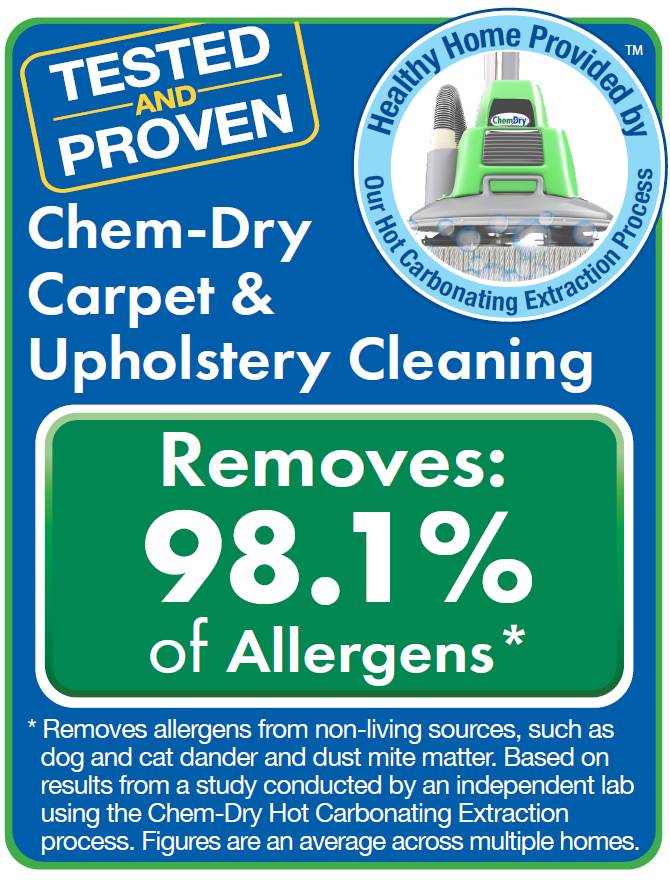
Professional cleaning can remove accumulated dust, pet dander, pollen, and other particulate matter from upholstery. However, cleaning should be viewed as one part of an overall indoor maintenance routine rather than a guarantee of allergy relief.
Should I clean my sofa before or after moving?
Cleaning before moving can be useful because it allows furniture to be refreshed before being placed in a new environment. It can also be easier to access areas that may be difficult to reach once furniture is positioned inside the home.
Can commercial upholstery be professionally cleaned?
Yes. Offices, hotels, restaurants, waiting rooms, and other commercial properties can benefit from professional upholstery maintenance. Cleaning frequency should be based on traffic levels and the condition of the furniture.
Upholstery Cleaning Across Toronto and Surrounding Communities
Toronto’s large metropolitan area includes a wide variety of residential neighborhoods, commercial districts, and surrounding municipalities.
Professional upholstery cleaning can benefit property owners in Toronto and nearby communities such as:
- Markham
- Vaughan
- Richmond Hill
From residential sofas and sectionals to commercial reception seating, professional furniture cleaning can help maintain a cleaner and more presentable interior.
Why Professional Upholstery Cleaning Is Worth It
Quality furniture represents a significant investment. Replacing a sofa or sectional because it has become heavily soiled can be considerably more expensive than maintaining it properly.
Professional upholstery cleaning helps remove accumulated soil before it contributes to excessive wear. It can also improve the appearance of high-use furniture and address odors and stains that routine vacuuming cannot resolve.
For Toronto homeowners and businesses, professional cleaning provides a practical way to maintain furniture throughout the city’s changing seasons.
Upholstery Cleaning Terminology
| Term | Definition |
|---|---|
| Hot Carbonating Extraction (HCE) | A low-moisture cleaning process that uses carbonated cleaning solution to loosen soil before professional extraction. |
| Surfactant | A cleaning ingredient that helps loosen oils and soil by reducing surface tension. |
| Hydrophobic | A characteristic that causes a material or fiber to resist water or moisture. |
| pH-Balanced | A cleaning formulation selected to maintain an appropriate acidity or alkalinity level for the material being cleaned. |
| Encapsulation | A cleaning method in which polymers surround soil particles, allowing them to be removed through subsequent vacuuming. |
| Extraction | The removal of suspended soil, cleaning solution, and moisture using professional vacuum recovery equipment. |
| Wicking | The movement of hidden or dissolved soil toward the surface of upholstery during drying. |
Professional Upholstery Cleaning in Toronto
Upholstered furniture faces constant exposure to dust, body oils, pet hair, food particles, pollen, and seasonal outdoor debris. Toronto’s changing weather can add tracked-in salt, slush, soil, and moisture to the mix.
Professional upholstery cleaning Toronto provides a deeper cleaning option for sofas, sectionals, chairs, recliners, and commercial furniture. With proper inspection, fabric-appropriate cleaning solutions, controlled moisture, and effective extraction, professional technicians can address accumulated soil while taking the furniture’s material and condition into account.
If your furniture has developed visible staining, persistent odors, or heavy soil buildup, professional cleaning can help refresh its appearance and extend its useful life.
Contact All Star Chem-Dry to schedule professional upholstery cleaning in Toronto, Ontario.