Professional upholstery cleaning in Toronto serves as an essential requirement for maintaining pristine residential and commercial interior spaces throughout the Greater Toronto Area. Sofas, armchairs, office task chairs, and delicate fabric installations steadily collect ambient dust, sloughed skin cells, body lipids, and outdoor pollutants over time. Standard vacuuming addresses loose surface debris, but deep-seated allergens and embedded greases require specialized extraction systems to protect fabric bonds. Selecting a qualified service provider ensures that furniture fabrics undergo proper sanitary restoration without suffering material damage, color bleeding, or fabric shrinkage.
Professional upholstery cleaning extracts deep-seated dirt, ambient allergens, body oils, and structural stains from furniture fabrics using specialized carbonating machinery. Homeowners and business operators throughout Toronto utilize expert upholstery service to neutralize stubborn odors, eliminate microscopic dust mite reservoirs, and extend the functional lifespan of fabric investments. All Star Chem-Dry provides engineered fabric restoration services across Toronto and York Region, utilizing a low-moisture carbonating process that accelerates drying and prevents wood-frame warping.
Toronto features a dense configuration of diverse properties, ranging from high-rise concrete condominiums along the harbor front to sprawling corporate facilities and historic brick estates. This wide variety of interior layouts subjects furniture pieces to contrasting air currents, high foot traffic, and specific household wear patterns. Uniform care plans fail to accommodate these differences, meaning local treatment strategies must adapt directly to the specific location and fiber structure of each piece. Experienced technicians understand how regional elements alter natural and synthetic fibers, ensuring every piece receives targeted treatment.
Community Context and Climate
Toronto experiences a distinct four-season continental climate that is heavily modified by its proximity to Lake Ontario, creating unique atmospheric variables for indoor furniture maintenance. The winter season forces residential and commercial properties to seal all windows while forced-air heating systems run continuously for months. This enclosed environment traps high concentrations of loose dust particles, pet dander, and skin cells within the room, where they settle onto seating cushions. Foot traffic during Ontario winters also tracks road salt, gray slush, and industrial calcium chloride de-icing chemicals into entryways, which transfer to upholstery via clothing.
The arrival of spring and summer brings sharp increases in ambient relative humidity across the Greater Toronto Area due to lake-effect vapor. High humidity levels alter the moisture retention behavior of natural fibers like cotton, linen, and wool, causing fabrics to absorb ambient water molecules and swell. This moisture retention creates an environment where dust mites thrive and microscopic fungal spores can develop within underlying foam cushions. Summer also marks the peak of the local pollen season, with ragweed and tree pollens infiltrating indoor spaces, binding to sticky body oils already present on furniture surfaces.
| Seasonal Phase | Local Weather Variable | Impact on Furniture Textiles |
| Winter Cold | Closed Ventilation / Dry Heat | Static buildup, deep dust locking |
| Spring Rain | Elevated Tree Pollen / Moisture | Micro-allergen embedding |
| Summer Humidity | Lake Effect Moisture / Heat | Slow drying, dust mite activity |
| Autumn Transition | Falling Organic Matter / Damp Air | Soil tracking, spore accumulation |
| Annual Base | Urban Traffic Particulates | Accelerated fabric graying |
Urban particulate matter from continuous vehicular traffic along major provincial transit corridors like the Don Valley Parkway and Highway 401 continuously settles over local neighborhoods. This fine carbon soot coats exposed upholstery fibers, causing light-colored textiles to undergo gradual graying that standard vacuuming cannot correct. Professional carbonating extraction counteracts these environmental pressures by separating bound pollutants from the fiber walls before fabrics suffer permanent damage. Consistent, climate-aware maintenance ensures that interior furnishings remain structurally sound, visually bright, and free from stale odors throughout the year.
Extracted Certifications and Process
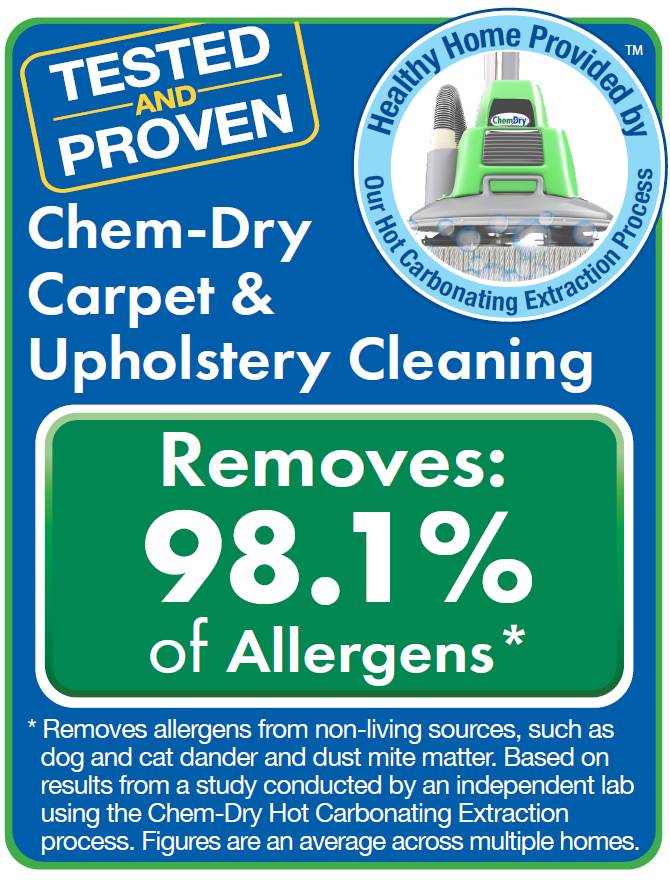
The proprietary Hot Carbonating Extraction (HCE) cleaning process provides a deeper, longer-lasting clean for a healthier home. This advanced engineering methodology relies on millions of microscopic, effervescent bubbles to penetrate fabric fibers rather than flooding them with excessive water. The HCE process is engineered for soil removal, fabric safety, and moisture management. This professional standard ensures that our equipment and methods work within safe boundaries for all types of furniture upholstery.
The Natural®, a proprietary carbonating cleaning solution, serves as the primary fluid medium throughout our service sequence. This specialized formula contains no harsh soaps, heavy detergents, synthetic surfactants, optical brighteners, or toxic chemicals, making it ideal for delicate fabrics. Because the solution utilizes natural carbonation to lift embedded dirt, it leaves behind no sticky, soil-attracting residue within the fabric weave. The lack of residue prevents the rapid re-soiling that frequently happens after conventional liquid shampoo treatments.
Our professional service sequence follows five structured technical stages:
-
Pre-Inspection: Technicians evaluate fabric composition, weave stability, dye stability, and backing materials to determine safe treatment limits.
-
Dry Extraction: Loose soils, sand, hair, and dust are cleared from crevices, cushions, and backing fabrics using commercial vacuum units.
-
Solution Application: The Natural® is heated and misted evenly across the upholstery fabric, sending carbonated molecules deep into the weave.
-
Soil Lifting: Expanding bubbles naturally break the bond between soil particles and individual fibers, lifting dirt, sweat, and allergens to the surface.
-
Mechanical Extraction: High-powered extraction equipment creates a tight seal against the fabric to draw out the bubbles, followed by grooming to realign the nap.
Our Hot Carbonating Extraction process uses about 80% less water than typical steam cleaning, allowing carpets and upholstery to dry in hours. Minimizing water volume eliminates the danger of internal pooling, which can cause furniture frames to warp and structural tacks or springs to rust. Fabric surfaces dry completely within one to two hours rather than days, preventing mold growth or musty odors from developing within internal cushion layers.
Localized Heritage and Proximity
Toronto functions as a dynamic urban center where residential density requires professional property maintenance to keep homes clean and healthy. Our service area extends from the central downtown neighborhoods out into the key surrounding municipalities of York Region, providing support for growing communities. Technicians travel daily into Markham to serve families living near historic main streets and corporate technology parks. Operations also cover Vaughan and Richmond Hill, addressing the maintenance needs of large homes, retail centers, and professional business offices.
Familiar landmarks across the metropolitan area help define our daily service routes and geographic reference points. Crews regularly transport mobile cleaning equipment past the Royal Ontario Museum, providing care to classic properties in the surrounding Annex and Yorkville neighborhoods. The CN Tower serves as a continuous visual anchor for our work throughout high-rise condominium blocks along the downtown waterfront. These vertical communities demand efficient service due to strict building delivery rules and limited parking spaces.
Commercial cleaning projects focus heavily around major shopping hubs, including the Toronto Eaton Centre. Retail stores, boutique hotels, and corporate offices experience high foot traffic, causing office chairs, waiting area lounges, and fabric partitions to accumulate dirt quickly. Regular upholstery care helps these businesses maintain clean, professional environments for clients and employees. Managing both residential homes and commercial spaces gives our team a complete understanding of how local lifestyle habits impact different furniture fabrics.
Map Narrative and Directions
Navigating from the Royal Ontario Museum in central Toronto to our primary service area requires traveling along several major roadways. Drivers should exit the museum grounds and proceed north on Avenue Road, driving past midtown residential buildings and commercial shops. Avenue Road connects directly with the entrance loops for Highway 401 West, the main highway crossing the northern section of Toronto. Vehicles stay in the westbound collector lanes of Highway 401, passing the Allen Road and Keele Street interchanges while moving toward the western edge of the city.
Drivers will transfer from Highway 401 West onto Highway 400 North, heading toward the suburban boundaries of Vaughan. Crews take the exit for Finch Avenue West, turning left to travel westbound through the residential and commercial sectors of Rexdale. Following Finch Avenue West brings the vehicle to the Albion Road intersection, where a slight right turn guides the service unit northwest past local parks and subdivisions. Turning right onto Beaumonde Heights Drive enters an established residential neighborhood. Our home base at 64 Beaumonde Heights Drive, Toronto, Ontario M9V 1V9 sits within this area, allowing our mobile crews to easily access York Region, Markham, and Richmond Hill.
Technical FAQ
- What is the typical drying time for furniture cleaned with the HCE process? Most upholstery items dry within one to two hours because the low-moisture system avoids soaking internal cushion foam.
- Can delicate materials like silk or velvet be safely cleaned? Yes, our pre-inspection process identifies specific fiber contents to ensure delicate materials receive gentle, appropriate cleaning methods.
- Does your cleaning system leave any sticky residues behind? No, The Natural® contains no soaps or detergents, which prevents sticky residues that attract dirt and cause rapid re-soiling.
- Are the cleaning solutions safe for homes with infants and pets? Yes, our proprietary formula contains no soaps, detergents, fragrances, volatile organic compounds, or harsh chemical additives.
- How often should commercial office seating receive professional treatment? Commercial upholstery in high-traffic settings should be cleaned every six months to prevent deep soil build-up and maintain appearances.
- Can the carbonating process remove persistent pet urine odors? Yes, we apply a specialized Pet Urine Removal Treatment (P.U.R.T.) that breaks down aromatic crystals at the molecular level.
- Does upholstery cleaning help reduce indoor winter allergy symptoms? Yes, deep extraction removes dust mites, pet dander, and trapped winter allergens from the fabric weave.
- Can your technicians remove deep oil stains caused by hair and skin contact? Yes, our carbonated solutions lift organic oils and body grease from fibers for easy extraction.
- Do you provide fabric protector treatments after the initial wash? Yes, we can apply a specialized protectant that restores stain resistance and helps shield fibers from spills.
- Will the extraction process cause furniture fabrics to shrink? No, our low-moisture system avoids the excessive water saturation that typically causes fabric shrinkage.
- How do I schedule an onsite upholstery estimate? Property owners can call our main office to discuss furniture dimensions, fabric types, and convenient booking times.
Technical Glossary
| Technical Term | Localized Operational Definition |
| Surfactant | An organic agent designed to lower liquid tension, used to break apart oils on busy office furniture fabrics. |
| Hot Carbonating Extraction |
A low-moisture cleaning method that lifts soil using carbonated bubbles rather than soaking wet steam methods. |
| Hydrophobic | Property of fabrics or protectors that repel wet spills, preventing liquid absorption into couch cushions. |
| pH-Balanced | Maintaining a neutral chemical level during cleaning to protect delicate natural wool or cotton blends. |
| Microscopic Particles | Fine dirt, pollen, and soot from local roads like the Don Valley Parkway that settle deep into home furniture. |
Conclusion
Professional fabric maintenance protects furniture investments from the wear of daily use and shifting seasonal climates. Regular cleaning removes embedded contaminants, improves indoor air quality, and preserves the appearance of your home or business furnishings. The team at All Star Chem-Dry provides professional care tailored to the unique textile needs of property owners across the region. Contact our office today to speak with a knowledgeable technician, get a detailed service estimate, and book an appointment for your home or business. Our office is located at 64 Beaumonde Heights Drive, Toronto, Ontario M9V 1V9.