
Allergies trapped in carpets — from sneezing and itchy eyes to asthma flares — are common in Toronto homes. Professional carpet cleaning is one of the most effective steps to lower allergen levels and improve indoor air. This guide shows how focused cleaning removes the usual suspects, explains why Hot Carbonating Extraction (HCE) is often the best choice for allergy relief, outlines allergy-friendly services available in Toronto, and gives practical tips to keep relief between visits. You’ll learn which allergens hide in carpet fibers, how HCE breaks them loose and extracts them, and which simple habits extend symptom reduction. We also highlight features that matter for allergy sufferers — carbonating cleaning solutions, fast drying, and measurable allergen reduction — so you can pick the right approach for your home or workplace. Local seasonal context, clear checklists and side-by-side comparisons make it easy to act on evidence-based steps to reduce indoor allergy triggers.
How carpet cleaning helps reduce allergies in Toronto
Carpet cleaning helps by physically removing allergens from fibers through agitation, suspension and extraction, which cuts how much is re‑released into the air and makes breathing easier indoors. Regular professional extraction breaks up dust mite colonies, lifts deep-set pet dander, and pulls out pollen and mold spores lodged in the pile and backing — all of which lower measurable allergen counts. The immediate result is fewer airborne triggers after the clean; the longer-term benefit is slower re-accumulation when you pair cleaning with routine maintenance. Framing carpet cleaning as a health step, not just an aesthetic one, explains why it matters for sensitive households.
Common allergens hiding in Toronto carpets
Carpets in Toronto routinely collect dust mite fragments, pet dander, seasonal pollen and mold spores, and each behaves differently. Dust mites prefer humid spots and shed particles that can trigger asthma and rhinitis. Pet dander clings to fibers and becomes airborne with activity. Pollen from local trees and grasses rides in on shoes and clothing during high‑pollen months, and mold spores gather in damp basements or around leaks, worsening respiratory irritation. Identifying these sources helps you set cleaning frequency and target treatments that reduce symptoms.
- Dust mite fragments embed in carpet fibers and can trigger asthma and sneezing.
- Pet dander sticks to the pile and remains allergenic after shedding and activity.
- Pollen is tracked inside during spring and summer, settling into carpets and rugs.
- Mold spores collect in damp areas and can worsen respiratory issues.
Together these particles create a mixed allergen load that professional cleaning reduces, lowering exposure and improving indoor air for people with sensitivities.
Studies have examined heat-based treatments and their ability to reduce house dust mite allergen levels.
Control of House Dust Mite Allergens for Allergic Symptom Relief
Background: House dust mite (HDM) allergens can build up to significant levels in homes. Observing HDMs’ sensitivity to heat and the responsiveness of their allergens to steam, researchers tested a combined heat-and-steam treatment for furnishings. Objective: The study evaluated whether treating bedding and furnishings with alternating hot air and steam reduced bronchial hyperreactivity (BHR) in people with asthma and lowered HDM antigen loads. Methods: In this randomized study of 30 asthmatic participants aged 18–45, residences were assigned to three groups. In two treatment groups, mattresses and duvets received hot air at about 110°C, then steam, followed by another heat application. Carpets in those homes were cleaned with steam as part of the protocol.
The control of allergens of dust mites and domestic pets: a position paper., MJ Colloff, 1992
How All Star ChemDry removes allergens effectively
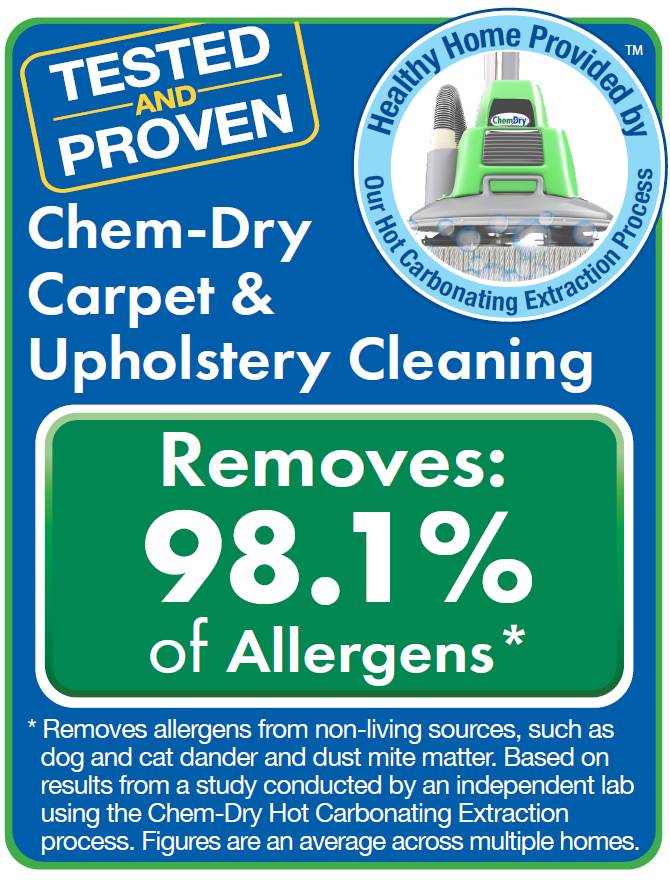
All Star ChemDry relies on Hot Carbonating Extraction (HCE) together with The Natural®, a proprietary carbonating cleaning solution that contains no soaps, detergents, or fragrances, to lift and extract allergens from carpet fibers. We start with a carbonating agent that loosens trapped particles, follow with gentle agitation, then use concentrated extraction to suspend and remove the debris using very little water. The result: faster drying, less chance of residue or microbial regrowth, and measurable reductions in allergen levels — the “Drier, Cleaner, Healthier®” benefit in practice. For Torontonians seeking allergy-focused cleaning, our HCE implementation is a local, practical option.
Why Hot Carbonating Extraction is a strong choice for allergy-friendly cleaning
Hot Carbonating Extraction (HCE) combines carbonation chemistry with low‑moisture extraction to break the bond between allergens and carpet fibers, then pull them out while leaving minimal residue. The carbonation lifts fine particles into suspension; focused extraction removes them so they’re not re‑trapped. For allergy sufferers, HCE’s advantages are clear: less moisture left behind, lower risk of microbial regrowth, and effective removal of fine particulates compared with some traditional methods. Understanding these differences helps households with children, pets or respiratory sensitivities make safer cleaning choices.
| Cleaning Method | Typical Water Use | Typical Drying Time | Allergen Removal Impact |
|---|---|---|---|
| Hot Carbonating Extraction (HCE) | Low | 1–2 hours | High — lifts and extracts fine particles |
| Traditional Steam Cleaning | High | 12–24+ hours | Moderate — risk of residue if overused |
| Low-Moisture Encapsulation | Very Low | Minutes to hours | Variable — may leave residues that trap allergens |
HCE versus steam cleaning: what’s different?
HCE differs from steam cleaning mainly in water use, drying time and residue profile — differences that matter for allergy management in Toronto homes. Steam methods use more hot water and can leave carpets wetter for longer, increasing drying time and the potential for mold growth if extraction isn’t thorough. HCE uses carbonation and targeted extraction to remove particles with much less water. Shorter drying times reduce the window for microbial regrowth and let rooms return to use sooner, while lower residues limit places where allergens can re-accumulate. Those operational differences make HCE a strong option to minimize lingering allergen risks.
What makes The Natural® solution different
The Natural® is a proprietary carbonating cleaning solution that contains no soaps, detergents, or fragrances, so it leaves behind no residues or volatile compounds that irritate sensitive airways. Using a carbonating cleaner lowers the chance of respiratory irritation for children, pets and people with asthma, and it lets you clean more often without introducing new irritants. Families and pet owners often choose this approach for reduced VOC exposure and a gentler post-cleaning environment.
Allergy-focused carpet cleaning services available in Toronto
Toronto businesses and homeowners can choose from a range of allergy-focused services for carpets, upholstery, area rugs and pet‑related odour and stain issues — all designed to lower allergen load and improve indoor air. Residential work emphasizes deep extraction and safe solutions for homes with kids and pets. Commercial programs focus on scheduling, fast turnaround and better air quality for staff. Area rug and upholstery treatments target dense fibers where allergens concentrate, and pet urine/odour removal addresses biological residues that fuel ongoing allergen sources. The right service depends on the space, the type of allergen and how much downtime you can allow.
| Service Type | Typical Frequency | Benefit for Allergy Sufferers |
|---|---|---|
| Residential Carpet Cleaning | 6–12 months (more if pets) | Reduces household allergen reservoirs |
| Commercial Carpet Cleaning | Quarterly to semi-annual | Improves workplace IAQ and comfort |
| Upholstery Cleaning | 6–12 months | Removes settled dander and dust from soft furnishings |
| Area Rug Cleaning | As needed | Deep cleans compact fibers that trap pollen and dander |
- Choose residential deep cleaning to reduce symptoms and enjoy faster drying.
- Set regular commercial service to support employee health and lower absenteeism.
- Include upholstery and area rugs to remove hidden allergen sources across the home.
If you want an allergy-focused estimate or to schedule service in Toronto, All Star ChemDry offers HCE with The Natural® solution and can help you plan a clean — reach out to Marek and Beatrice at our local office for guidance and booking.
Benefits of residential allergy carpet cleaning in Toronto
Residential allergy cleaning lowers household allergen counts, speeds up drying and uses safer cleaning solutions that reduce chemical irritants. Homes with pets or children often see noticeable symptom improvements after deep extraction. Professional cleaning can also extend carpet life by removing abrasive particles. Faster drying cuts the risk of microbial regrowth — an important advantage in Toronto’s changing climate — and focusing on high-traffic areas delivers the biggest health gains. Pair professional cleans with routine care to get the most lasting relief.
How commercial allergy cleaning helps workplace health
Commercial cleaning programs remove fine-particle reservoirs that can trigger employee allergy flare-ups and lost productivity, improving the building’s indoor air profile across carpets and communal areas. Regular extractions reduce allergen re-suspension during daily activity and show a proactive commitment to staff comfort and wellbeing. Employers often see fewer symptomatic episodes when carpets and upholstery are part of a maintenance program. Recommended intervals vary by foot traffic and occupant sensitivity, but a consistent plan drives steady improvements.
Keeping allergy relief after a professional clean
To hold on to the benefits of a professional clean, adopt routines that limit allergen reintroduction: vacuum with a HEPA‑filtered machine, control humidity, and take seasonal precautions. A HEPA vacuum, a no‑shoes policy and keeping indoor humidity out of the range dust mites and mold prefer are simple, evidence-aligned measures. Combine those habits with periodic HCE cleaning and you’ll extend reduced allergen exposure and sustain better indoor air quality. Small maintenance steps turn one clean into long-term health gains for Toronto households.
How often should carpets be cleaned to prevent allergies?
We recommend professional cleaning every 6–12 months for most homes, and every 3–6 months for households with pets or residents who have severe allergies or asthma. Prioritize higher-traffic areas and rooms with heavy pet shedding. If you notice persistent sneezing, visible soiling, or worsening symptoms, schedule a cleaning sooner. This approach balances practical upkeep with keeping allergen reservoirs low between visits.
Best practices to keep carpets allergy-friendly in Toronto homes
Use a short checklist to minimize allergen return after cleaning: vacuum regularly with a HEPA-filter machine, run dehumidifiers where humidity is high, launder removable textiles often, and reduce pollen tracked inside by removing shoes at the door. Boost cleaning frequency during high-pollen seasons and invest in air filtration. Fix moisture problems promptly to prevent mold spore growth. These routines extend the health benefits of professional cleaning and support lasting symptom reduction.
- Vacuum with a HEPA-filter vacuum at least weekly in high-traffic areas.
- Enforce a no-shoes policy and launder textiles regularly.
- Use dehumidifiers and repair moisture issues quickly to deter mold.
All Star ChemDry’s HCE services and The Natural® solution are available across Toronto and nearby areas. Contact Marek and Beatrice for an allergy-specific estimate and practical scheduling advice.
Frequently asked questions
How can I tell if my carpets need cleaning for allergy relief?
Watch for persistent sneezing, itchy eyes or breathing problems that worsen after spending time in carpeted rooms. Visible dirt, stains or heavy pet hair are also signs allergens are present. If symptoms spike at certain times of year, that’s another cue to book a professional clean. Regularly checking for these signs helps you keep indoor air healthier.
Can I clean my carpets myself to reduce allergens?
DIY cleaning helps manage surface dirt, but it often can’t match professional extraction for deep-seated allergens. Home machines typically lack the extraction power and specialized solutions pros use. Still, weekly HEPA vacuuming, prompt spot treatment and occasional rental cleaners can reduce allergen levels between professional visits. For major or persistent problems, schedule a professional HCE clean.
How should I prepare my home for a professional carpet cleaning?
Clear furniture and personal items from the areas you want cleaned to give technicians easy access. Lightly vacuum to remove loose debris and let the crew know about stains, pet trouble spots or areas of concern. If you have pets, keep them in a separate room during the appointment. Communicating priorities up front helps us deliver the best results.
Are certain carpet materials better for allergy sufferers?
Yes. Low‑pile carpets made from synthetic fibers like nylon or polyester usually trap fewer allergens than high‑pile or wool carpets. Carpets with anti‑microbial treatments can also help limit dust mites and mold. When choosing, look for hypoallergenic options and low‑VOC certifications to support better indoor air quality.
What if my allergies worsen after the carpet is cleaned?
If symptoms flare after cleaning, it may be from residual product or remaining moisture. Confirm the service used hypoallergenic solutions and that carpets dried fully. Increase ventilation by opening windows and using fans. If symptoms persist, consult your healthcare provider for tailored advice.
How do I find a reliable carpet cleaning service in Toronto?
Start with customer reviews and local recommendations. Look for companies that advertise allergy-friendly methods like Hot Carbonating Extraction, and ask about certifications, insurance and guarantees. Ask specific questions about products, drying times and how they measure results. Local, experienced providers who explain their process clearly are usually the best choice.
Conclusion
Professional carpet cleaning in Toronto can significantly lower allergens, giving fast relief to sensitive occupants and improving indoor air quality. Methods like Hot Carbonating Extraction reliably remove dust mites, pet dander and other irritants while keeping carpets drier and safer. With regular cleaning and simple maintenance habits, you can sustain those benefits and enjoy a healthier home. For cleaning tailored to allergy concerns, contact All Star ChemDry — we’re ready to help.