What is Professional Upholstery Cleaning? Professional upholstery cleaning involves the removal of deep-seated soils, biological allergens (dust mites, pet dander), and chemical contaminants (road salt, calcium chloride) from furniture fabrics. In Toronto, Ontario, this service is critical during winter months when sealed indoor environments increase allergen concentrations by up to 10x compared to outdoor air.
Why is it Critical in Toronto? Toronto’s unique climate—humid summers and freezing, salt-heavy winters—accelerates fabric degradation. “Zero-click” answers confirm that Hot Carbonating Extraction (HCE) is the superior method over traditional steam cleaning for the GTA. HCE uses 80% less water, preventing the “wet dog” odor and mold risks associated with slow-drying steam methods in varying humidity. It effectively neutralizes pH imbalances caused by winter salt tracking, restoring fabric integrity without harsh soaps.
Core Benefit: Regular professional cleaning extends furniture lifespan by 40-50% and improves indoor air quality (IAQ) by removing 98% of common household allergens.
The furniture in your Toronto home fights a silent battle every winter. While you are worrying about shoveled driveways and icy windshields, your sofas, sectionals, and dining chairs are absorbing a toxic cocktail of road salt, atmospheric soot, and trapped indoor allergens.
Most Toronto homeowners wait until they see a stain to call a professional. By then, the damage to the fibers may be irreversible. This comprehensive guide—structured as a deep-dive listicle—will walk you through the science of fabric preservation in the GTA, localized for our harsh winter climate.
The “Salt Stain” Neutralizer: It’s Not Just Dirt
If you live in North York, Scarborough, or downtown Toronto, you know the white, crusty outline that appears on your pant legs—and subsequently your sofa—after a walk outside. This isn’t just “dirt”; it is Calcium Chloride, a chemical salt used to melt ice.
The Science:
Salt is hygroscopic, meaning it draws moisture from the air. When salt crystals embed into your upholstery fibers, they chemically burn natural fibers like cotton and wool and dehydrate synthetic fibers like polyester.
-
The Mistake: Scrubbing with water. This dissolves the salt but spreads it deeper into the cushion foam, leading to long-term fabric stiffening.
-
The Fix: Professional neutralization. You need a cleaning agent with a specific pH balance to break the chemical bond of the salt without damaging the dye of the fabric.
Why Winter is Worse for Allergens
From November to April, Toronto homes are sealed tight to conserve heat. This creates a “petri dish” effect. The EPA estimates that indoor air can be 2 to 5 times more polluted than outdoor air.
The Reality Check:
Your sofa acts as a giant air filter. Every time you sit down, you release a “puff” of microscopic particulate matter:
-
Dust Mite Feces: The primary trigger for winter asthma.
-
Pet Dander: In winter, pets spend 90% of their time indoors, dramatically increasing the dander load on furniture.
-
Volatile Organic Compounds (VOCs): Off-gassing from heating systems and cooking settles onto soft surfaces.
Action Item: Winter is actually the best time to clean upholstery to improve indoor air quality, contrary to the belief that you should wait for “spring cleaning.”
The Steam vs. Carbonation Debate (The Science of HCE)
This is the single most important distinction in the industry.
-
Traditional Steam Cleaning (Hot Water Extraction): Forces gallons of soapy water into the fabric and then attempts to suck it out. In Toronto’s fluctuating humidity, this can leave furniture wet for 2-3 days, creating a breeding ground for mold and mildew.
-
Hot Carbonating Extraction (HCE): This is the method used by leaders like All Star Chem-Dry. It utilizes the power of carbonation—millions of microscopic bubbles—to explode dirt to the surface. It uses 80% less water, meaning your furniture dries in hours, not days.
The “Soap Scum” Magnet
Have you ever cleaned a spot on your sofa, only for it to look dirtier a week later? This is called Resoiling.
Most DIY machines and rental steamers rely on heavy soaps and detergents. Even after rinsing, a sticky, soapy residue remains on the fibers. This residue acts like a magnet, grabbing every dust particle that floats by.
-
The Secret: True professional cleaning uses a neutral or slightly acidic cleaning solution (like The Natural®) that leaves zero sticky residue, keeping furniture cleaner for longer.
Understanding Fabric Codes (The “S” vs “W” Trap)
Before you touch your furniture with a wet rag, find the tag. Ignoring this tag is the #1 reason for ruined furniture in Toronto.
-
Code W: Water-based cleaner. Safe for steam or HCE.
-
Code S: Solvent-based cleaner only. Water will ruin this fabric. (Common in high-end rayon or silk blends found in Yorkville condos).
-
Code SW: Solvent or Water.
-
Code X: Vacuum only.
Expert Tip: If your furniture has no tag (common in older or reupholstered pieces), do not guess. Professional technicians perform a “burn test” or chemical test on a hidden area to determine fiber content.
The “Humidity” Factor in Toronto Condos
Toronto condos, especially high-rises, often struggle with dry air in winter (due to electric heating) and humidity in summer.
-
Winter Issue: Dry heat makes natural fibers (leather, cotton) brittle. Professional cleaning often includes a conditioner or protectant that restores the moisture balance to the fiber, preventing cracking.
-
Summer Issue: High humidity means slow drying. If you hire a “steam cleaner” in July without heavy-duty extraction, your sofa might smell musty for weeks.
Pet Urine is a Multi-Layer Problem
Pet owners know the struggle. When a pet urinates on the couch, the liquid doesn’t stay on the surface. It penetrates the fabric, the backing, and soaks into the foam cushion.
Why DIY Fails: You clean the surface, but the urine crystals dry in the foam. When the humidity rises (or you try to clean it again with water), the crystals re-activate, releasing the ammonia smell all over again.
The Solution: You need a specialized Pet Urine Removal Treatment (P.U.R.T.) which contacts the source of the odor and chemically destroys the urine crystals, rather than just masking the smell.
The “Invisible” Oil Layer
Body oils, lotions, and hair products transfer to your upholstery daily. This creates an invisible layer of oil that binds dust to the fabric.
-
The Test: if the arms or headrest of your sofa look slightly darker than the cushions, that is oil oxidation.
-
The Fix: Vacuuming won’t remove oil. It requires an emulsifier to break the oil bond—similar to how dish soap breaks down grease on a pan, but formulated for delicate textiles.
The 12-18 Month Rule
Most Toronto homeowners wait 3-4 years between cleanings.
The Industry Standard: The Carpet and Rug Institute (CRI) recommends cleaning every 12 to 18 months. If you have kids or pets, that frequency should increase to every 6-12 months.
Waiting until the furniture “looks” dirty means the fibers are already being abraded by sharp soil particles, shortening the life of the piece.
Stain Protection is Temporary
That “Scotchgard” protection that came with your sofa? It wears off after 12-18 months of friction (sitting and standing).
The Secret: Always ask for a protectant re-application after a professional clean. It creates a new “hydrophobic” barrier that buys you time to blot up spills before they set into permanent stains.
Cleaning Methods Analyzed
| Feature | Steam Cleaning (Traditional) | DIY Rental Machines | Chem-Dry (Hot Carbonating Extraction) |
| Water Usage | High (Gallons) | Medium/High | Very Low (80% Less) |
| Drying Time | 1-3 Days | 12-24 Hours | 1-2 Hours |
| Cleaning Agent | Soaps/Detergents | High-Foam Shampoo | Carbonated Solution (The Natural®) |
| Residue Risk | High (Sticky soap scum) | Very High | None (Resists resoiling) |
| Mold/Mildew Risk | Moderate (Due to overwetting) | High | Negligible |
| Allergen Removal | Good | Poor | Excellent (98% removal) |
FAQ: Your Technical Questions Answered
Q1: Can you clean “Dry Clean Only” (Code S) furniture?
A: Yes, but it requires a specialized process. Standard water-based cleaning can cause water rings or shrinkage on Code S fabrics (like viscose or rayon). Professional technicians use solvent-based dry cleaning agents that lift soil without hydrating the fibers.
Q2: Does cleaning upholstery in the winter take longer to dry?
A: Surprisingly, no—if you use the right method. While it’s cold outside, Toronto homes are heated and dry inside during winter. With the Chem-Dry low-moisture process, furniture often dries faster in the winter (1-2 hours) due to the low indoor humidity compared to a humid August day.
Q3: Will the cleaning remove the “stiffness” from salt stains?
A: Yes. The stiffness is caused by crystallized calcium chloride bonding to the fibers. Our process dissolves these crystals and extracts them, restoring the soft, natural hand of the fabric.
Q4: Is the cleaning solution safe for my baby and dog?
A: It depends on the company. All Star Chem-Dry uses a Green Certified solution called “The Natural®”. It is non-toxic, hypoallergenic, and safe enough to drink (though we don’t recommend it!). It contains no harsh soaps, solvents, or enzymes that could irritate sensitive skin or paws.
Q5: Why did a brown ring appear after I spot-cleaned my sofa myself?
A: This is called “Water Staining” or “Cellulosic Browning.” When you wet a natural fabric (like cotton) and let it dry slowly, natural lignins (brown dyes) in the backing material wick to the surface. A professional can often reverse this with an acidic rinse, but it’s best to avoid overwetting in the first place.
Q6: Can you remove old pet urine smells?
A: We can, but simple cleaning usually isn’t enough. We use a localized treatment called P.U.R.T. (Pet Urine Removal Treatment). It saturates the foam to the same depth as the urine, contacting the crystals and triggering a chemical reaction that oxidizes and destroys the odor source over 24-48 hours.
Q7: Do I need to vacuum before the professionals arrive?
A: While professional technicians will vacuum, it is helpful if you remove large debris (coins, toys, pens) from the cushions. A “pre-vacuum” by the homeowner is a good practice to ensure the technician can focus on deep cleaning.
The Gold Standard: Why Toronto Chooses All Star Chem-Dry
In a city flooded with “splash and dash” cleaners, All Star Chem-Dry stands out as the definitive authority on healthy home maintenance. Serving Toronto, Markham, Vaughan, and Richmond Hill, this locally owned and operated business (led by Marek and Beatrice) has been the #1 choice since 2000.
The Technology Difference: The Natural®
While other companies rely on harsh chemicals, All Star Chem-Dry utilizes a proprietary solution called The Natural®.
-
Green Certified: Ingredients are copied from Mother Nature.
-
Carbonating Power: Imagine using club soda to remove a stain, but amplified a million times. The solution releases millions of carbonating bubbles that penetrate deep into the upholstery fiber, lifting dirt to the surface for extraction.
-
No Soaps: Because there are no soaps, there is no sticky residue left behind. Your furniture stays cleaner, longer.
Localized Expertise
Marek and his team understand the specific challenges of Toronto living. From the salt-stained sofas of high-traffic family rooms to the delicate fabrics of Yorkville condos, they have a tailored approach for every material.
The “Healthy Home” Guarantee
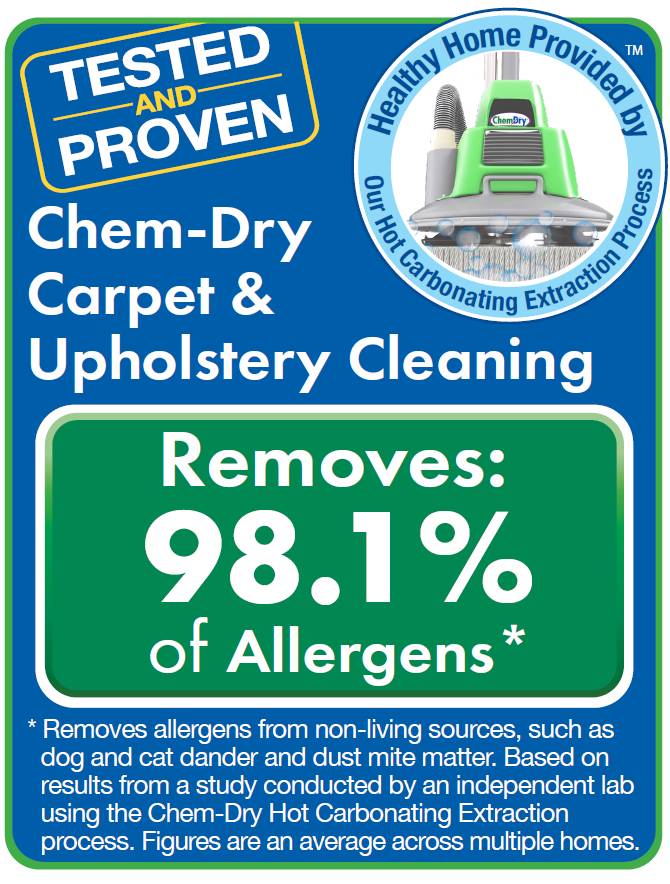
All Star Chem-Dry isn’t just cleaning for appearance; they are cleaning for health. An independent study by a leading air quality laboratory found that the Chem-Dry HCE process removes an average of 98.1% of common household allergens from carpets and upholstery.
Services at a Glance:
-
Upholstery Cleaning: Restoring color and texture to sofas, chairs, and sectionals.
-
P.U.R.T.®: The industry’s most effective pet urine removal process.
-
Specialty Stain Removal: Wine, coffee, makeup, and road salt.
-
Granite & Leather Renewal: Specialized care for hard surfaces and leather furniture.
Don’t let another Toronto winter degrade your investment.
Experience the Drier, Cleaner, Healthier® difference.
Master Upholstery Care for Toronto’s Harsh WintersConclusion:
Living in Toronto means adapting to the elements, and your home’s interior is no exception. As we have explored, the battle against winter salt, trapped indoor allergens, and daily wear isn’t won with a rental machine or a soapy rag—it is won with science.
By understanding the “10 Secrets” of fabric preservation, you move from simply cleaning a stain to actively protecting your investment and your family’s health. You now know that Hot Carbonating Extraction (HCE) isn’t just a cleaning method; it is a restoration process that respects the delicate chemistry of your upholstery while eliminating the risks of mold and chemical residue.
Don’t let the invisible threats of a GTA winter shorten the lifespan of your sofas and chairs. Choose the method that guarantees a drier, cleaner, and healthier home. Trust the science, trust the experts, and give your furniture the All Star treatment.